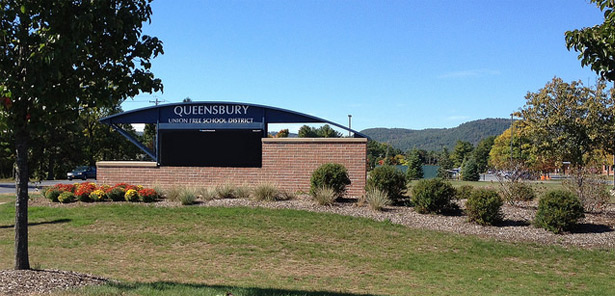
A Vibrant Community In The Adirondack Foothills: Queensbury, NY Located partially inside the Adirondack Park, Queensbury was once the site of conflicts during the French and Indian and Revolutionary Wars. In 1908, the City of Glens Falls broke off and was incorporated. Today, Queensbury surrounds Glens Falls on three sides and encompasses a portion of the southeastern shore of Lake George.
Queensbury is now known as a suburban location with a constantly expanding school district and a vast array of big box stores and restaurants. Because of its proximity to Lake George, the town receives large amounts of tourist traffic, particularly during the summer. The amusement parks, accommodations, golf courses, shopping malls, and eateries typically see a significant upswing in business during the summer months.
Looking for more information about Queensbury? Check out the Guide to Queensbury on GlensFalls.com »
Book A Room
KEENA PEO Services Queensbury, NY
KEENA PEO Services in Queensbury, NY supports small and mid-sized businesses with comprehensive HR solutions, payroll, employee be... [+More]
Northland Custom Carpentry Inc Backed by over 40 years of experience in the business, you can trust Northland Custom Carpentry Inc to do the job right and at a f... [+More]
McLaughlin Photography Jim McLaughlin of McLaughlin Photography has photographed over a thousand weddings. With a love for the outdoors and an eye for cr... [+More]
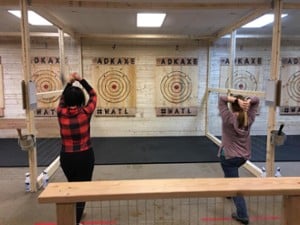
Adirondack Axe & Bash It Smash Room Queensbury, NY
Plan a memorable and unique experience at Adirondack Axe, an indoor axe throwing and smash room facility located in Aviation Mall.... [+More]
Design Function, Inc. Queensbury, NY
Design Function, Inc. is your one stop resource for trade show displays, museum exhibits, exhibit design and portable trade show e... [+More]
Adirondack Blue Line Taxi Service Queensbury, NY
Get where you need to go safely, comfortably, and on time with Adirondack Blue Line Taxi, the region's premier transportation serv... [+More]
Adirondack Rowing Queensbury, NY
The best private lessons in the rowing universe on the best open water rowing shells!... [+More]
Blue Line Builds Adirondack Chair Kits For Sale! Buy an Adirondack Chair Kit for your camp, cottage, or around the fire pit in the back yard.... [+More]
West Mountain Queensbury, NY
West Mountain in Queensbury, NY, is a year-round recreation destination offering skiing, snowboarding, and tubing during winter an... [+More]
Ambleside School of the Adirondacks Queensbury, NY
The Ambleside School of the Adirondacks teaches children a broad curriculum that fosters critical thinking skills. Students from k... [+More]
Ergo Robotic Solutions Queensbury, NY
Ergo Robotic Solutions provides machinery for glass installation in New York State and beyond using state-of-the-art equipment. Se... [+More]
TC Inspection Service Queensbury, NY
TC Inspection Service is a home and commercial building inspector that provides inspections, mold assessments, radon testing, wate... [+More]
Adirondack Pools & Spas, Inc Queensbury, NY
Adirondack Pools & Spas Inc designs and installs high-quality pools and spas in backyards across the Lake George area. They also p... [+More]
ADK Data Tech & Repair Queensbury, NY
ADK Data & Tech Repair serves residential and business clients with a range of computer and tech-related services, including backu... [+More]
The Glen at Hiland Meadows Queensbury, NY
Located on 45 beautiful acres in Queensbury, NY, The Glen at Hiland Meadows is a retirement community featuring the best in indepe... [+More]
Leaf Air LLC Queensbury, NY
Enjoy spectacular views of Lake George, the Green Mountains, Adirondack High Peaks, Lake Champlain, or Saratoga during a scenic fl... [+More]
Did we miss one? Did one of these places close? Send us a note!
You must enable javascript in your browser to use this contact form.