|
||
Leave a CommentMain MenuFebruary 2012 Archives
The recent snowfall on the landscape brought my attention to the adaptation skills of small mammals. For many small mammals, such as mice, voles, moles and shrews, the presence of sufficient snow cover is critical to their survival.
Continue reading A world beneath the snow.
The bobcat, Lynx rufus, is the most abundant spotted cat in North America. This nocturnal hunter has been the topic of concern when discussing and debating the Management Plan for Bobcats in New York State. The Department of Conservation (DEC) wants to extend the hunting season, in designated areas,where viable populations exist.
Continue reading The future of Lynx rufus.
Dihydrogen monoxide, better known as water, turns into ice at 0 degrees Celsius or 32 degrees Fahrenheit. Once the ice has begun to freeze, design and construction of an Ice Castle in Saranac Lake begins to form. The ice is taken from Lake Flower in blocks of 2 feet wide by 4 feet long; weighing in at four to eight hundred pounds. As the designs of the castle have expanded and minimized depending on the availability of ice, each palace can contain about 1,000 to 3,000 blocks of ice.
Continue reading N(ice) temperatures bring seasonal festivities.
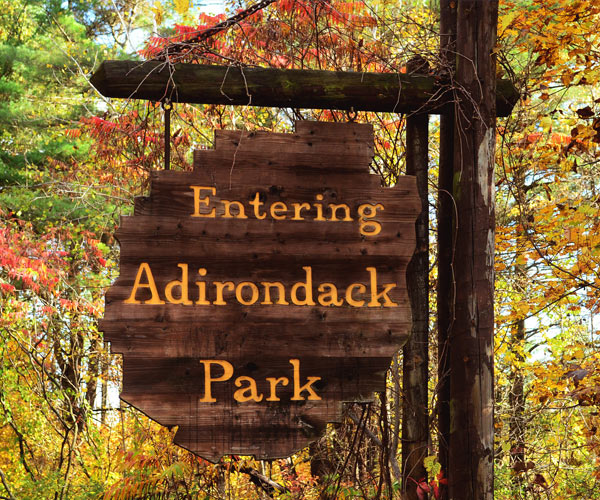
Growing up in and around the Adirondacks, we have come to appreciate the unique natural features of the landscape that define and distinguish this extraordinary region from any other. From this appreciation has come curiosity, education, and resolve to understand why forest preservation and conservation play a critical role in maintaining the identity of the Adirondack Park. The very word 'conservation'evokes a broad spectrum of thoughts and feelings that vary from person to person. It can be daunting to discuss conservation within the Adirondack Park because conservation is rooted deep within us as a concept that has evolved from childhood with influences from our surroundings, our friends and family, and our connection to the natural world. Conservation, simply stated, is the protection and preservation of natural resources. A major influence to one's perception of conservation as a principle is where they live. Conservation to someone from the mid-west can have a much different meaning than to someone from the Adirondacks. The Adirondacks themselves are a unique ecosystem with a confluence of ideas about what conservation means, or should mean, to this park. If you have ever crossed into the famed blue line, or if you are lucky enough to live there, you have visibly noted the vast stands of spruce and fir interspersed with birch, beech, maple, and hemlock forests. These contiguous and pristine forests remain today as a symbol of preservation transcending two hundred years of development. The park is home to vast quantities of streams, rivers, ponds, and lakes with exceptional water quality, in part due to their glacial origin, as well as the protections they have been given by those with foresight enough to recognize the importance of clean water. To us, conservation is embodied within the very essence of the Adirondack Park. As times change, threats to our natural resources can vary, and so must our techniques to conserve them. We hope that our future posts can educate park users and residents, and inspire ideas on how they can protect, conserve, or live lightly within the park, preserving this magnificent landscape for the future. After all, the mountains, forests, streams, and lakes will be here long after we are. What does conservation mean to you?
The Town of Tupper Lake, in Franklin County New York, has a logging and manufacturing history that once thrived as a bustling town booming with business. Visitors from afar walked the busy streets of this Town in search of hunting expeditions, wildlife viewing, business transactions and acquiring their own piece of land in the heart of Adirondacks.
Continue reading An approved project for Tupper Lake.
|
Recent Comments