Keep in the Loop With the Latest Adirondack News, Local Business Updates, and More
Roundup of What's New in the Adirondacks
Discover what's happening in communities throughout the Adirondack Park! Our Adirondack news roundup features the latest updates about businesses, major event announcements, and a variety of other local stories.
Give Turtles a Brake: DEC Reminds NY Drivers To Be Cautious of Wildlife
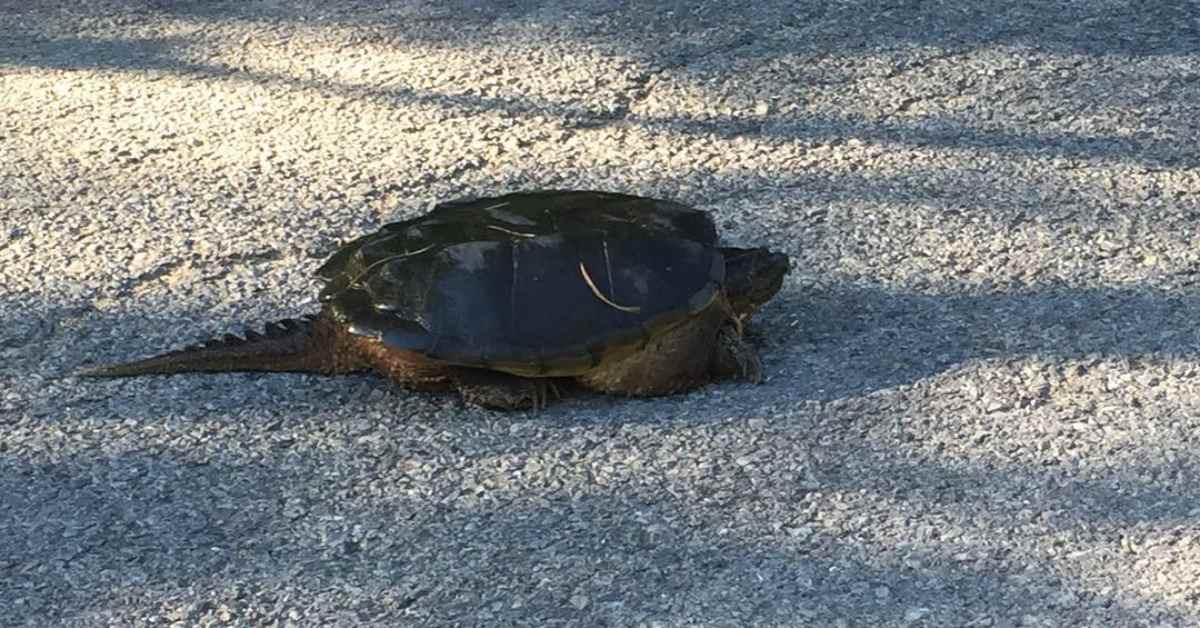
Drivers across New York are being reminded to “Give Turtles a Brake” this spring as turtle nesting season ramps up throughout May and June. The New York State Department of Environmental Conservation (DEC) says thousands of turtles are killed each year while crossing roads in search of sandy areas and loose soil to lay their eggs.
DEC encourages motorists to slow down near wetlands, marshes, and rivers where turtles are commonly spotted this time of year. If it’s safe to do so, drivers can help turtles cross by moving them in the direction they were already heading, but officials warn never to pick a turtle up by its tail. Snapping turtles should be handled with extra caution due to their strong bite.
New York’s native turtle populations are declining, and even the loss of one mature female can impact local ecosystems. DEC also reminds residents that native turtles are protected by law and should never be taken home as pets.
Want to learn more about the species found throughout the region? Check out our guide to Adirondack turtles here: Adirondack Turtle Guide
Fort Ticonderoga Named a Must-Visit Destination for America 250

While there's been a lot of buzz about America 250, particularly with the Fourth of July falling on a Saturday this year, one place in the Adirondacks has been shouted out as a top destination to celebrate our country: Fort Ticonderoga.
Travel publications like Travel Plus Leisure and Fodor's have highlighted Fort Ticonderoga for its incredible real-time Revolution experience, points out News Channel 13.
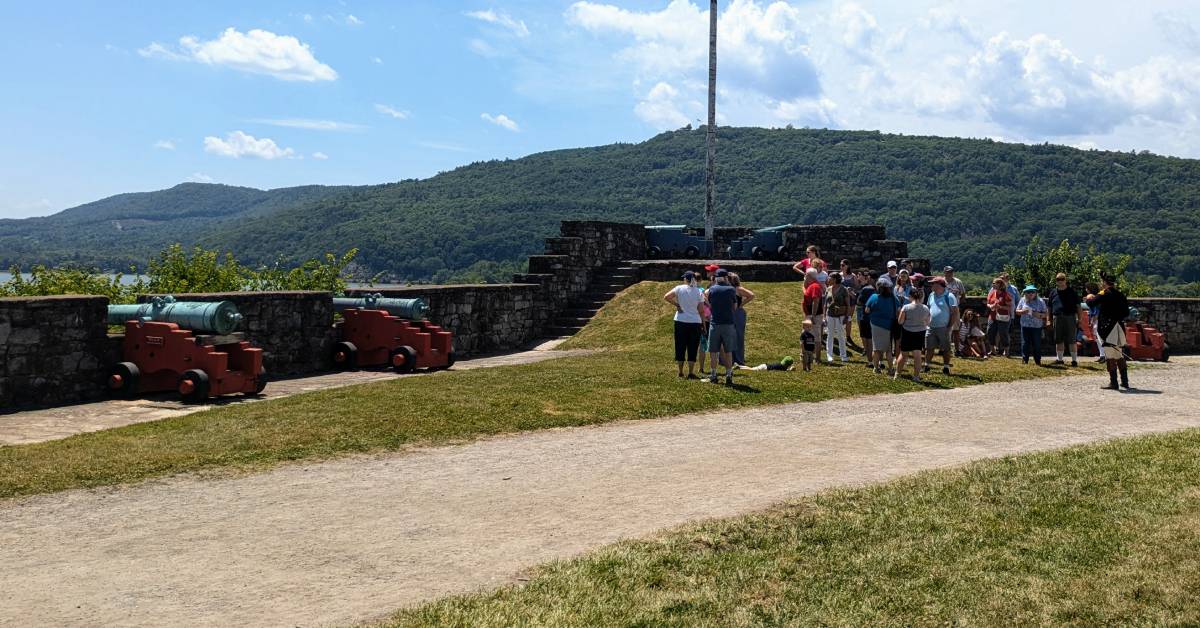
Plan now for the Real Time Revolution Signature Reenactment over Fourth of July Weekend at the Fort, with a full schedule of events for the whole family.
Fort Ticonderoga is open for the season Tuesday through Sunday, through October 25. And you don't have to wait for the Fourth - check them out on Memorial Day Weekend as well!
Sources:
- News Channel 13: Fort Ticonderoga named top America's 250th birthday destination
New Mystery Novel Out by Adirondack Author

Author Christopher Mele, whose resume includes the Adirondack Daily Enterprise, the Plattsburgh Press-Republican, and The New York Times, has a second mystery novel out set in the Adirondacks: The Truth Is in the Ashes.
The Truth Is in the Ashes is set in the fictional village of Goodwell and tells the story of newsman Alex Provetto, who is drawn into solving a series of suspicious fires at an abandoned, once great hotel.
The story is inspired by the real-life fires that Mele covered while being a reporter in the Adirondacks, most notably with at least a dozen unsolved fires that occurred at the former Lake Placid Resort between 1991 and 1996.
The Truth Is in the Ashes follows Mele's debut novel, Goodwill's Secrets, published in 2024.
Both books are available via Amazon and Barnes & Noble, and can be ordered from independent bookstores.
AMR Parking Reservation System Returns for 2026 Hiking Season
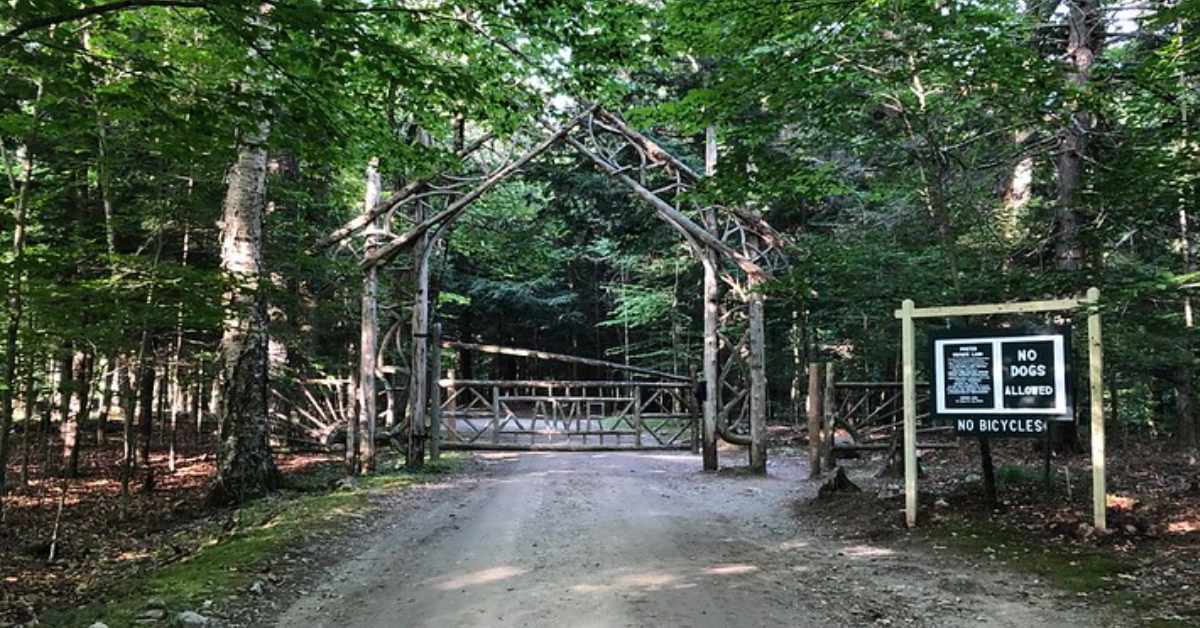
Hikers planning trips through the Adirondack Mountain Reserve will soon be able to lock in their parking plans for the 2026 season. The no-cost reservation system returns April 17 and will once again help manage access along the busy Route 73 corridor in Keene.
The reservation system applies to the privately owned Adirondack Mountain Reserve, where public access is allowed through a conservation easement agreement with the state. It covers parking, daily access, and overnight access for specific trails reached through the AMR gate, as well as Noonmark and Round mountains.
The system continues to improve safety for both hikers and drivers. Since its launch in 2021, it has helped reduce illegal roadside parking and pedestrian traffic along a winding stretch of Route 73 that has long raised safety concerns.
Reservations can be made as late as 4 a.m. for same-day spots, offering visitors more flexibility and making canceled spaces available to others. More than 56,000 users have registered for the system since its debut, showing how many hikers now rely on it to plan and avoid arriving at a full lot before sunrise.
Users without a reservation will not be allowed, a rule intended to prevent congestion from unmanaged drop-offs. The AMR parking lot is open for entry daily from 5 a.m. to 7 p.m., with late-night exits still available through the one-way gate after attendants leave.
See more Adirondack hiking info and FAQs >>
Source: DEC
DEC Reminds New Yorkers to Leave Young Wildlife Alone

As spring and summer bring an abundance of young wildlife across New York, the New York State Department of Environmental Conservation (DEC) is reminding residents to observe animals from a distance and avoid unnecessary interaction. Young animals such as deer fawns, rabbits, and birds are often found alone, but that does not mean they have been abandoned.
Many wildlife species intentionally leave their young hidden while parents search for food nearby. White-tailed deer fawns commonly spend long periods alone in tall grass or brush, while fledgling birds may spend time on the ground as they learn to fly.
DEC advises against moving or handling young wildlife, as doing so can interfere with natural behaviors and reduce an animal’s chances of survival. The agency also reminds New Yorkers that wild animals should not be kept as pets. If an animal appears injured or orphaned, residents should contact a licensed wildlife rehabilitator for assistance.
As outdoor recreation season gets underway, giving wildlife the space it needs can help keep both animals and people safe while supporting healthy ecosystems across New York.
Find things to do in the Adirondacks >>