Enjoying the Adirondacks? Watch Out For Poison Ivy
Remember - "Leaves of Three - Let It Be!"
For anyone camping, biking or hiking in the Adirondacks, poison ivy is a common occurrence. It grows along the edges of pastures and in forested environments from Mexico to Canada. Rather like a chameleon of the woodlands, it takes many forms and changes color with the seasons. The leaves turn red in the fall, and it can even blend in with suburban landscaping plants. Avoidance is the very best way to prevent catching it!
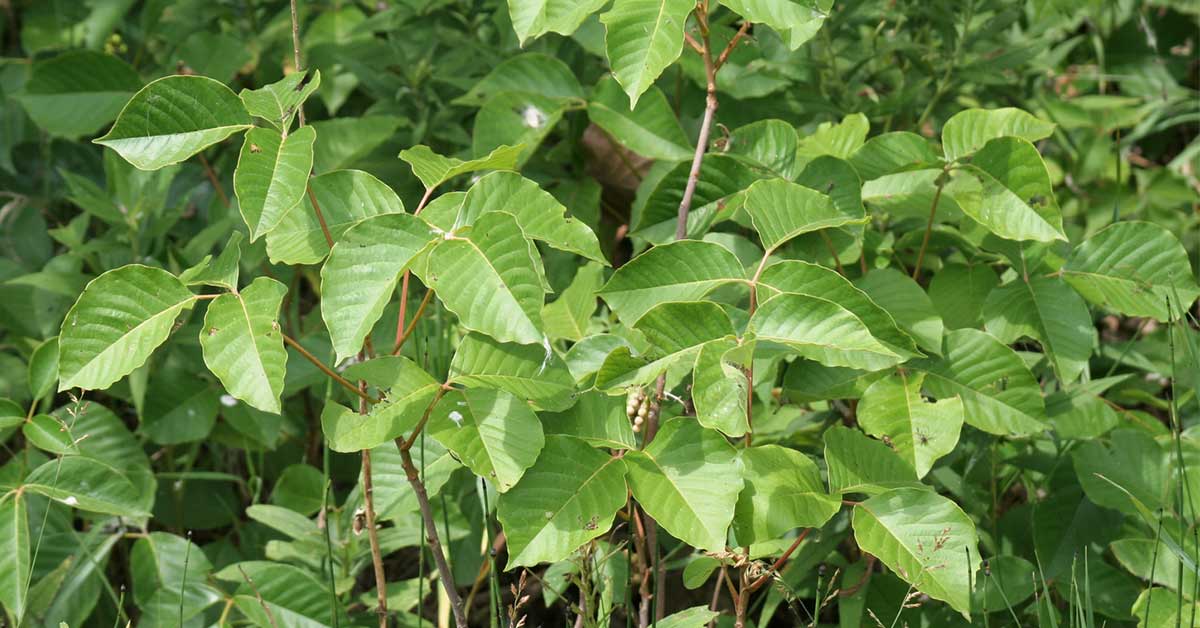
Identify the Plants
The first line of defense for avoiding poison ivy is to learn to recognize it. Kids are great at identifying plants and leaves, so sharing that information with them can be very helpful. One of the challenges with identifying it lies in the fact that it can grow as a ground cover, a shrub, or even as a vine. Rule of thumb when you're camping or hiking in the Adirondacks: "Leaves of three, let it be!"
How do I catch it?
Poison ivy plants are filled with oil that has a chemical called urushiol. Once it makes contact with your skin, it can cause a reaction resulting in a red rash, weeping blisters and itching. Urushiol is difficult to remove and can remain potent for very long periods of time. (It's important to remember - especially if you're hiking in the Adirondacks, that the oil sticks to clothing and anything that it comes in contact with! Be sure to thoroughly wash whatever you think it may have touched)
What to do if exposed
If you're pretty sure you've sat in, walked through, or handled poison ivy, there are a few things you can do. It only takes a few moments for the oil to penetrate the skin, but if you are able to cleanse the areas with isopropyl alcohol and rinse with clear water within the first 10 minutes of exposure, you may be able to avoid the rash. If not, it may at least help to stop the spread. Follow with a warm shower and plenty of soap.
Will scratching make it worse?
Poison ivy is spread by the presence of the chemical urushiol, so you cannot spread it by scratching. You can, however, cause an infection if germs enter the blisters through scratching.
What can you carry with you to treat poison ivy?
If you are hiking or camping in the Adirondacks and find a rash appearing, there are a few remedies for the discomfort. It's a good idea to add the following to your safety kit:
- Isopropyl alcohol and wipes
- Benadryl for itching
- Calamine Lotion, Epsom salts or baking soda for dressings
Discover Adirondack Hiking Trails »