Peak Foliage in the Adirondacks: When & Where to See Fall Colors at Their Best
Peak Foliage by Region
When is peak fall foliage in the Adirondacks! The quick answer is that it depends, since leaf color change relies on a cocktail of shortening daylight, overnight temperatures, precipitation, elevation, and tree species. But, we can look at historical averages to pinpoint when each part of the 6-million-acre Adirondack Park typically bursts into color.
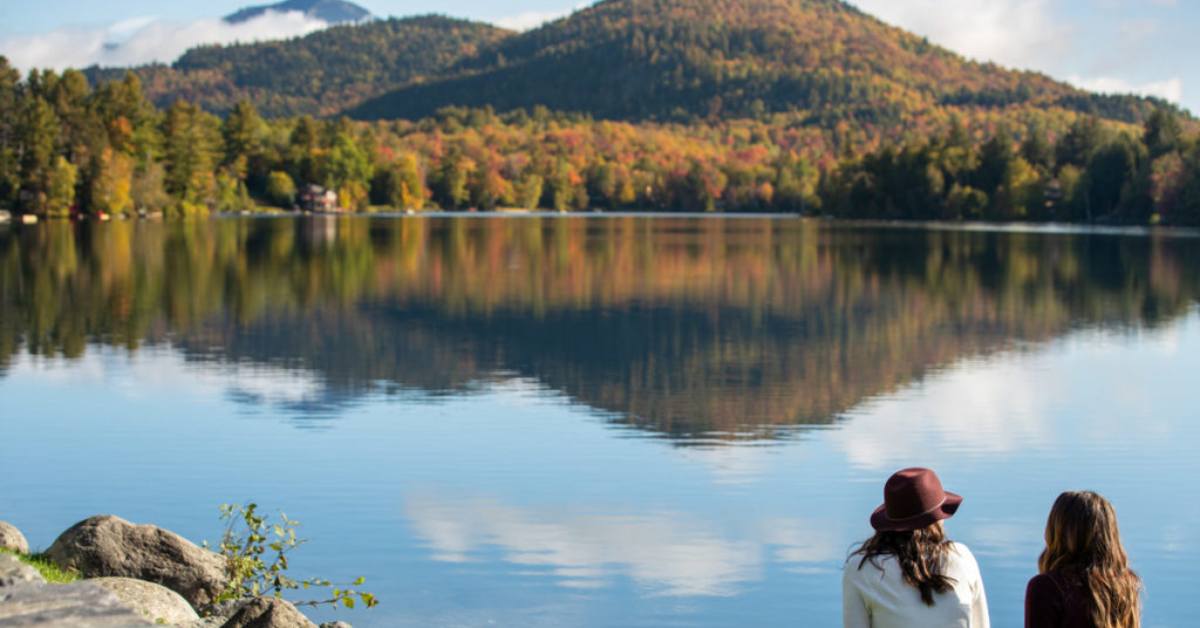
I Love NY puts out a Fall Foliage Report Map each season, usually starting in late September, that gets updated once a week. For the most current information you'll want to check that out.
For those of us planning ahead, let's see when the colors usually change in each region.

When Peak Fall Foliage Happens Across the Adirondacks
- High Peaks & Tri-Lakes Region (Lake Placid, Keene Valley, Whiteface Mountain, Saranac Lake, Tupper Lake): Late September to Early October
- Central & Western Adirondacks (Old Forge, Inlet, Long Lake, Indian Lake, Blue Mountain Lake): Late September to Early October
- Northern Adirondacks & Champlain Valley (Paul Smiths, Malone, Plattsburgh, Chateauguay): Early October
- Southern & Central Foothills (North Creek/Gore Mountain, Chestertown, Schroon Lake, Speculator): Early to Mid-October
- Eastern Champlain Coast (Ticonderoga, Crown Point, Essex, Westport): Mid-October
- Southern Adirondacks & Lake George Basin (Lake George Village, Bolton Landing, Hadley/Luzerne, Sacandaga Region): Mid to Late October
Keep in mind, these timelines are based on long-term historical averages. Unusually warm autumns or early cold snaps can shift these windows a week in either direction.
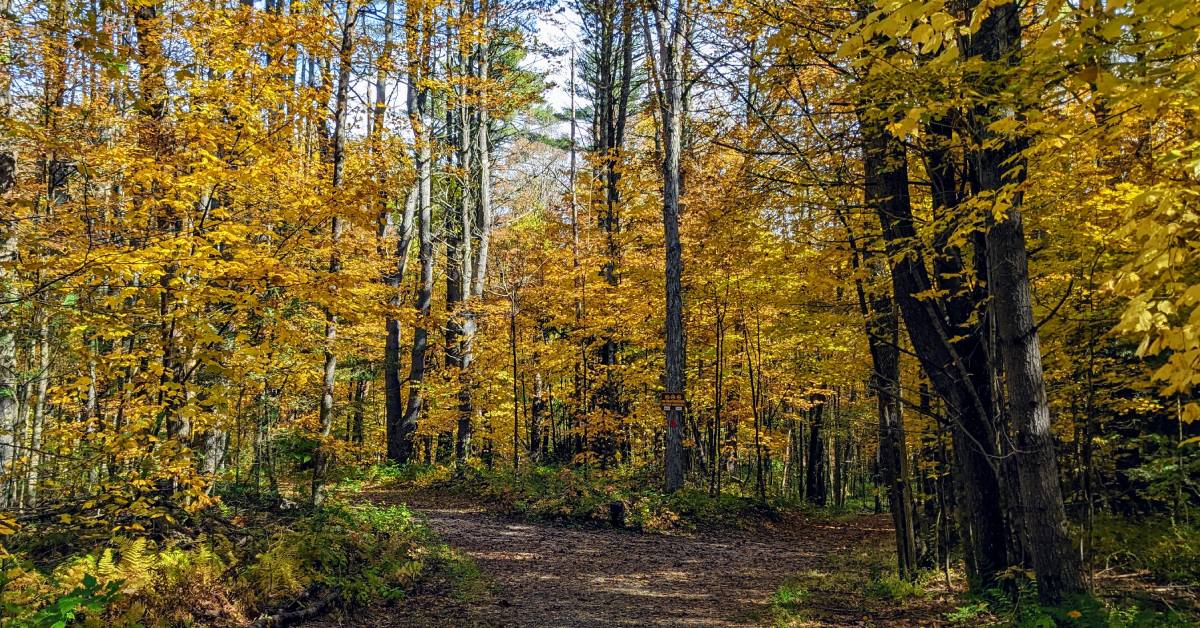
What Factors Influence the Color Change in the Adirondacks?
Several environmental factors affect peak foliage in the Adirondacks:
- Elevation & Latitude: Mountains experience colder overnight temperatures earlier in the season than surrounding areas, triggering the breakdown of green chlorophyl sooner.
- Temperature: Warm, sunny days in fall combined by the increasingly crisp-but-not-yet-freezing night stimulate the production of anthocyanin pigments, creating fiery reds and deep purples in sugar maples.
- Spring & Summer Rainfall: Consistent, adequate rainfall during the growing season keeps trees healthy and leaf stems strong, leading to richer, longer-lasting fall displays.
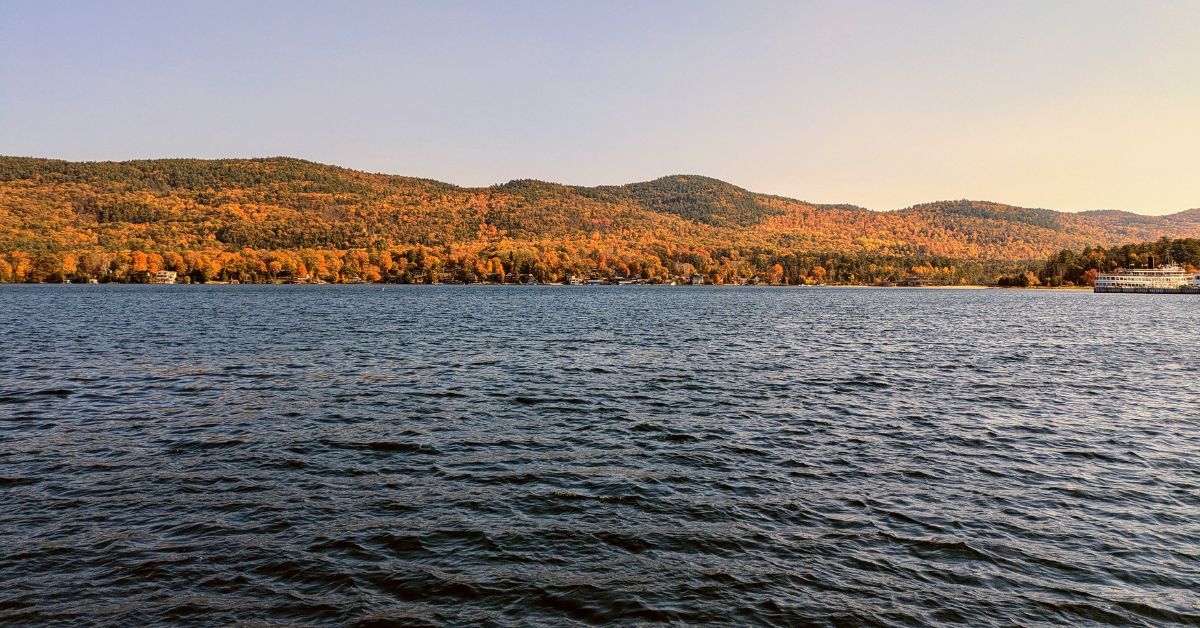
- Proximity to Large Lakes: Big bodies of water like Lake Champlain, Lake George, and Cranberry Lake retain summer heat and release it slowly. This creates microclimates along the shorelines that stay warmer longer, which can delay peak color.
- Tree Diversity: The Adirondack Park features a unique blend of northern hardwoods like sugar maple, and softwoods/evergreens. The hardwood maples tend to change in unison, while being framed by the deep green pines and hemlocks.
What If I Can't Come During the Exact Foliage Peak Time?
No worries! Even when planning ahead, the weather and other factors we just discussed can affect that exact peak time. Fortunately, the weeks surrounding that peak can be just as gorgeous.
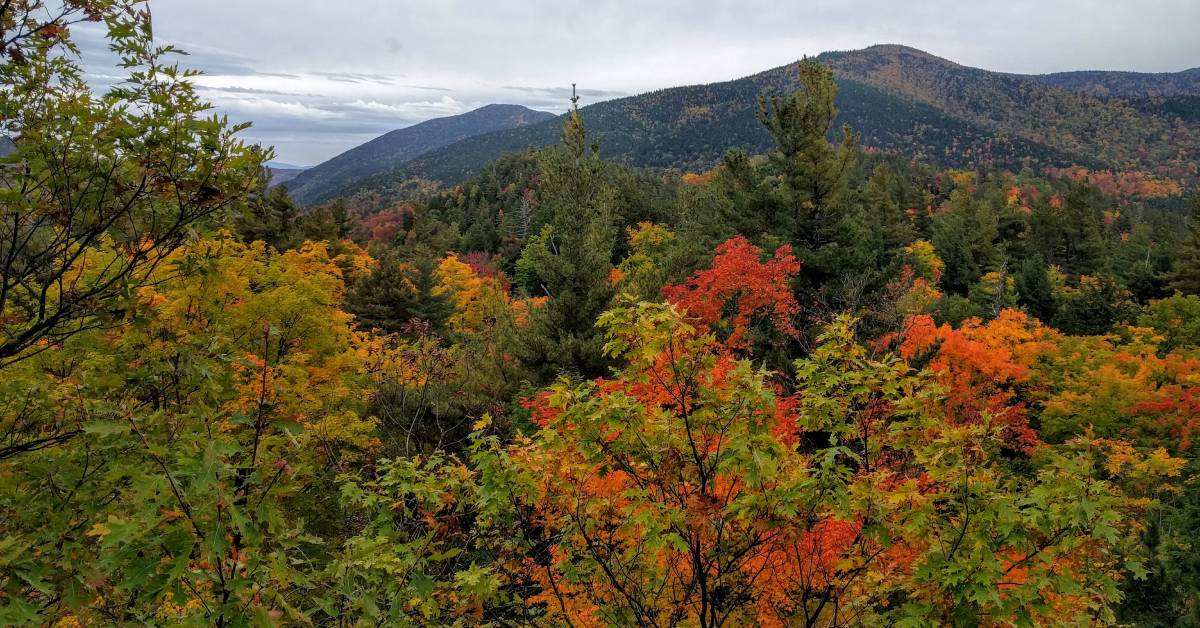
Prior to peak foliage, you'll see pops of crimson, orange, and gold, interspersed among the rich greens. Immediately following peak foliage, in mid to late October, the trees will hold their color for awhile as they begin dropping the colorful leaves to blanket the ground.
Color develops gradually over 3 to 4 weeks across the region, so you will find stunning views somewhere throughout the park during the autumn season.
Frequently Asked Questions (FAQs) About Adirondack Peak Foliage
When is the overall best time to visit the Adirondacks for fall colors?
Plan your visit between the last week of September and the second week of October. High-elevation areas peak first, while lower lake basins peak towards the end of that window.
Is Indigenous Peoples' Day/Columbus Day Weekend always peak foliage?
No, but it is historically one of the most reliable weekends for broad foliage across the Central, Southern, and Eastern Adirondacks. The High Peaks area may be slightly past peak by then, while lower regions like the Lake George area will just be entering their prime.
How long does peak foliage last in one specific spot?
In any single town or elevation zone, peak color typically lasts between 5 and 7 days. It's pretty quick! Strong windstorms, a heavy rain, or a sudden hard freeze can blow leaves off the trees early.
Why do mountain summits turn color before the lower elevations?
Temperatures drop roughly 3 to 5 degrees for every 1,000 feet of elevation. Colder night temperatures on higher peaks signal to the trees that winter is approaching, causing leaves at higher elevations to change sooner. As hikers know, temperatures can vary drastically between the trailhead at the bottom, and the mountain summit at the top!
Where can I get the most up-to-date foliage conditions?
The I Love NY Fall Foliage Report, updated weekly starting in late September and going through early November.
Explore hiking and biking in the fall >>