Hit the Trail With Confidence: 9 Beginner Hiking Tips
Going out hiking in the Adirondacks for the first time? Check out our 10 beginner hiking tips, frequently asked questions, and a link to recommended gear.
1) Research Your Hike & Choose One That Matches Your Skill Level
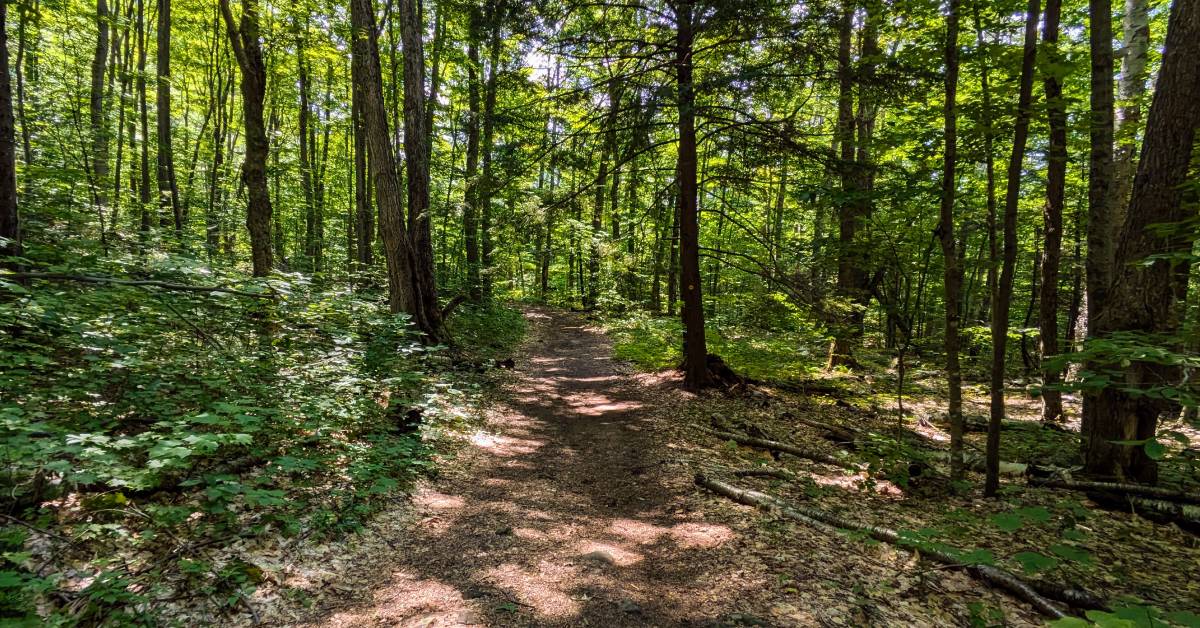
Hikers need hike trails that are appropriate for the entire group, so if someone is a beginner or a child, or if a dog is coming along, or if you need an accessible trail, that needs to be taken into consideration.
Look up beginner-friendly hikes and go into the excursion knowing the length (remember to check if the mileage listed is roundtrip or one way), whether it gets steep or rocky, or any other special considerations.
2) Have More Than One Backup Plan
There is no worse feeling that driving out to your designated hiking destination to find the parking lot full, especially if you've driven a long way. Unfortunately, illegal parking along trails and nearby roads is highly illegal and very much ticketed.
Start early, especially on weekends, holiday weekends, and prime hiking times like during fall foliage. And, have at least one, preferably two nearby hiking spots you can fall back on in case there's no parking.
Parking is generally free, however, you do need a reservation to Park at the Adirondack Mountain Reserve trailhead, parking at the Garden trailhead is $10, and parking at Adirondack Loj is $25. Making parking a part of your plan when researching beginner-friendly trails.
3) Check the Weather Before You Go & Dress in Layers
Here's the thing: The weather can be drastically different at the trailhead versus at the top of a mountain. We're talking sunny skies and 70 degrees versus 40 degrees with lingering ice and snow. Furthermore, weather can change quickly, even in the mountains.
What to wear/bring will depend on the time of year and the forecast, but generally speaking wear lightweight layers you can easily add to or remove as conditions change, including moisture-wicking clothing and a light jacket.
Bonus tip: We update current trail conditions weekly.
4) Wear Proper Footwear & Break It In Beforehand
There's a good rule of thumb to not wear a brand new pair of hiking boots out on the trails. Do some walking in the them around your neighborhood or at a local park, first! You'll want sturdy hiking boots or sneakers that have good traction.
Even beginner-friendly trails can have roots, rocks, and muddy sections - you need to walk through the mud, not around it, to protect trailside vegetation, so waterproof footwear is a must, especially during the spring mud season.
For winter hikes, you'll need to bring snowshoes and possibly also microspikes. Beginners should stick to easier, flat trails in the winter.
5) Bring Plenty of Water & Snacks
If you're hiking with a dog, this applies to your furry friend as well! Staying hydrated, even during winter hikes, is one of the most essential parts of any hike. Bring more water than you'll think you need, along with easy-to-carry snacks like granola bars, sandwiches, and fruit.
6) Tell Someone Where You're Going
Just to be safe! Let a friend or family member know what your plan is and when you expect to return. This can make big difference in an emergency situation. Let them know of your backup plans too, as we previously discussed!
7) Stay on Marked Trails
Hiking in the Adirondacks is not a time to forge your own trail. Follow the trail markers and avoid temptations to walk around mud or take shortcuts. This helps protect the environment, and will also prevent you from getting lost.
8) Start Earlier Than You Think You Need To
We already talked about starting early to ensure a parking space, but there's another reason to start early, and that's because you don't want to run out of daylight. This becomes more of a concert during the fall and winter, of course, with the sun setting earlier, but keep it at top of mind all the time. You do not want to be finishing your hike after dark.
9) Leave No Trace
Help keep the Adirondack Park beautiful and accessible for hikers and outdoor recreationists for decades to come by following the Leave No Trace principles. Much of this is common sense, like respecting wildlife and other visitors, but give the principles a read to make sure you know the etiquette and what's expected.
Frequently Asked Questions (FAQs) for Beginner Hikers in the Adirondacks
What should I bring for the hike?
Water, snacks, fully charged cell phone (although you may not get service), bug spray during warmer months, extra layers of clothing, and a first-aid kit.
What should I wear for the hike?
Layer up as temperatures can change quickly in the mountains, and also conditions can vary from the trailhead to the summit. Moisture-wicking clothing is your friend, and you'll need sturdy hiking boots or trail shoes. You may need snowshoes and/or microspikes for winter hikes.
How long should a beginner hike be?
Look for trails that are 1 to 4 miles roundtrip for a beginner hike, with minimal elevation gain.
Is it okay to hike alone as a beginner?
It is not recommended. If you do choose to hike alone, choose well-traveled trail and tell someone where you're going (which you should do anyway).
What time of day should I hike?
While a sunset hike can be tempting, especially for a beginner, we recommend starting out early. You'll have cooler temperatures, better parking availability, and you don't have to worry about hiking back in the dark.
What if it rains while I'm hiking?
Light rain is fine. Heavy rain, you may want to consider turning around. Thunderstorms mean you need to head back to the trailhead as soon as it's safe for you to do so.
Can I bring my dog on the hike?
Many Adirondack trails welcome dogs, but do your research ahead of time. Some a better than others for dogs, and some are recommended specifically for small dogs or large dogs. Keep your dog leashed, bring a collapsible water bowl for your furry friend, and carry out all pet waste.
Do I need to bring bear spray?
No, it's generally not needed, but do bring a bear-resistant canister when hiking.
What's the most common mistake a beginner hiker makes?
One of the most common beginner mistakes is underestimating the hike. Beginners often don't bring enough water, start too late in the day, or choose a trail that's more difficult than expected. Adequate research ahead of time will help keep expectations realistic, leading to an enjoyable excursion.
Explore hiking guide services >>
<< Back to the Beginner's Hiking Guide
Amazon Affiliate Disclosure: Our team independently recommends products on Amazon.com, and we earn from qualifying purchases.