
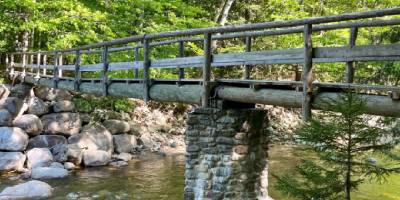
Adirondack Hiking Guide: Plan Your Adventure
Whether you’re a seasoned hiker or just starting out, our Adirondack Hiking Guide has everything you need to plan the ultimate adventure! Find tips for hiking with kids or dogs, info on the High Peaks, and everything else you need to know below.
Alan Nudi
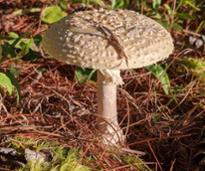
Hikers and recreationists of the ADK are asked to adopt the 7 Principles of Leave No Trace, so we can all enjoy the Park for years to come.
Get the trail notices, weather forecast, and more info to know before your Adirondack hike by checking the current conditions.
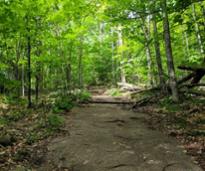
New to hiking in the Adirondacks? Find some great beginner hikes, tips on what to bring, and more in the beginner's guide.

The High Peaks region of the Adirondacks is a haven for hiking enthusiasts. Read all about the 46 High Peaks!

ROOST
Get your High Peaks FAQ answered, including info on hiker shuttles and parking at the Adirondack Mountain Reserve.

The Chester Challenge. The Lake George 12ster Challenge. The Fire Tower Challenge. Check out a variety of hiking challenges!

Bringing a furry friend with you on your excursion to the great outdoors? Check out the Hiking With Dogs guide for tips and trails.
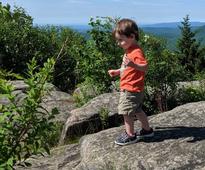
Make it an adventure for the entire family! We've rounded up eight suggestions for kid-friendly hikes in the Adirondack area.
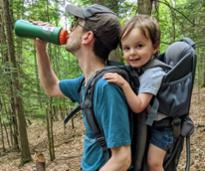
Hiking with kids? We can help! Check out eight tips on how make the most of your outing with little ones.
ADVERTISEMENT
ADVERTISEMENT
ADVERTISEMENT
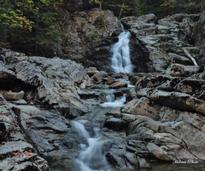
John Holmes
Looking to see some amazing waterfalls while you're out hiking in the Adirondacks? Check out 11 epic waterfalls to add to your must-hike list!
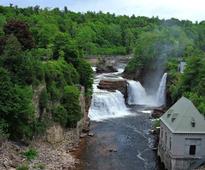
John Holmes
Scroll through a list of Adirondack waterfalls, some of which are reached by a strenuous hike, others are just off the beaten path.
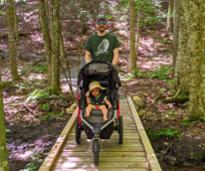
Find wheelchair- and stroller-friendly trails in the Adirondacks, and enjoy a hike without steep terrain.
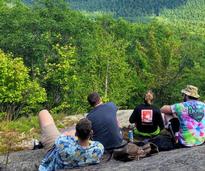
Whether you're a beginning at the activity or want to tap into the knowledge of an expert, hire an Adirondack guide service to lead your hike.
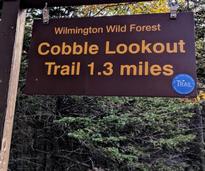
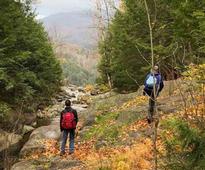
Avoid foot pain and properly break in new hiking boots before you hit the trails in the Adirondacks.
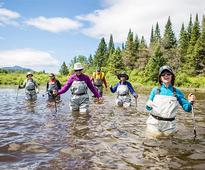
The Adirondacks are the perfect place for forest bathing, a sensory and healing journey you can experience when you soak in the sights, sounds, and smells of nature.
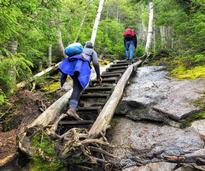
View an extensive list of hikes in the Adirondacks, and sort by region to discover which ones are suitable for you.

Protect yourself from ticks in the Adirondacks by browsing these comprehensive tips and further information on these dangerous pests.

Not bein properly prepared for black flies can seriously damper a hiking excursion. Here's what you need to know.

Alan Nudi
Hike within your means and #HikeSmart. Read up on crucial safety tips before you head out on the trail or up a mountain.
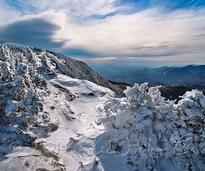
These photos showcase mountain summits with possibly the 10 best views in the Adirondacks. See them for yourself!
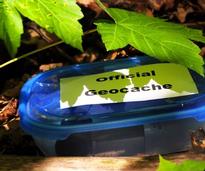
Jump into the worldwide treasure hunt known as geocaching! The Adirondack Park is a perfect place to try out this hobby.

If you like to run and stay active, then you should check out trail running in the Adirondacks. We get you started with tips and places to go.
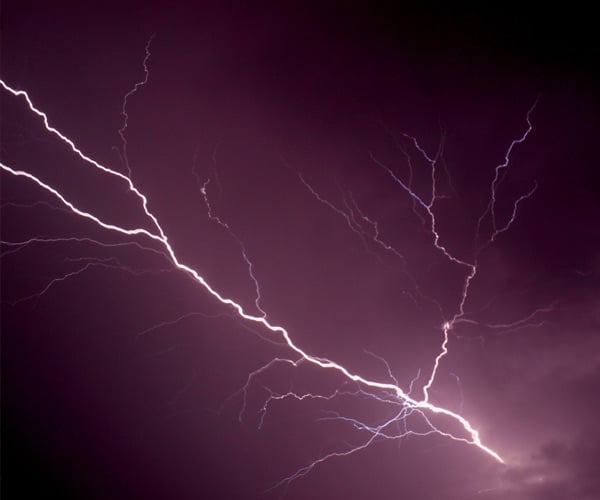
Thunderstorms can pop up in the Adirondacks even when they're not forecasted. Learn how to protect yourself in case you get caught in one.
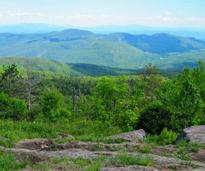
Hear it from the Adirondack.net Facebook friends - we've highlighted 42 favorite hiking spots to add to your Adirondack bucket list.

Hiking gives us all the feels! Check out photos of hikers in their element out in the mountains or on the trails.
So many activities are excellent to pair with hiking like fishing, paddling, or camping. See more in our Specialty Guides.
Winter hiking is a whole different animal in the Adirondacks! Check out the Winter Hiking Guide for tips and more important info.
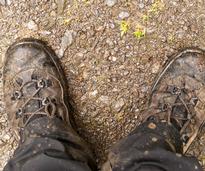
Spring is mud season in the Adirondacks! Take special precautions to protect the environment and yourself when you go hiking this time of year.
Did we miss one? Did one of these places close? Send us a note!