Tuberculosis in the Adirondacks: A Legacy of Healing & Innovation
Tuberculosis, one of the world's most deadliest infectious diseases, has a significant connection to the Adirondack Park, and Saranac Lake specifically. Find out more below about tuberculosis in the Adirondacks, how TB patients came here for the healing mountain air, and a related museum you can visit today.
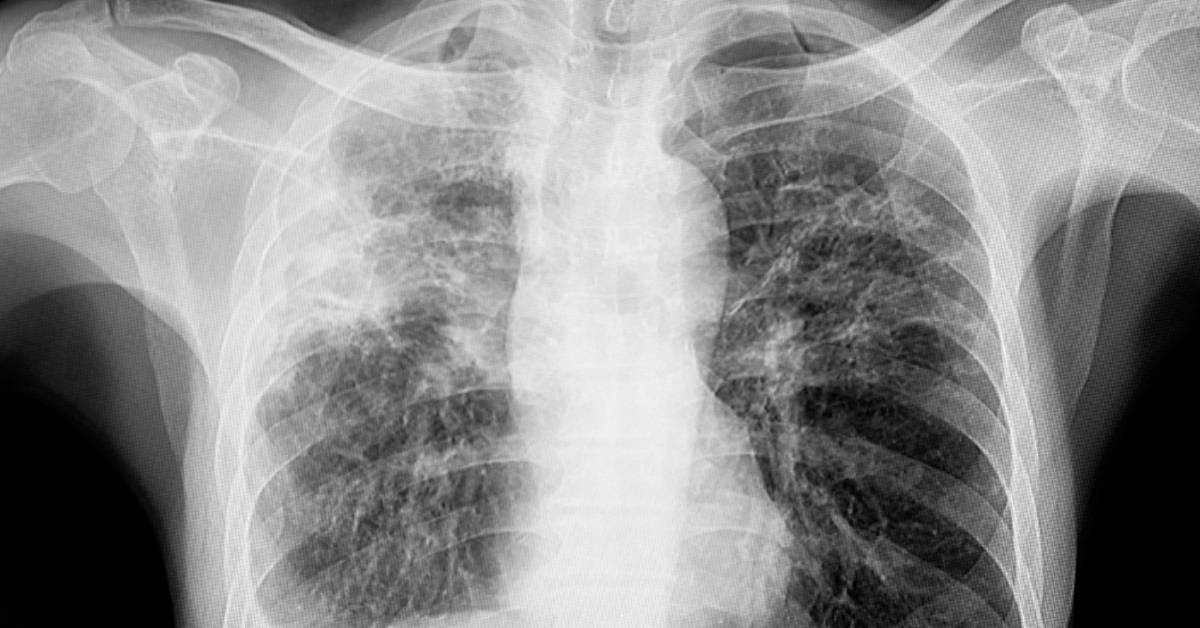
What Is Tuberculosis?
Tuberculosis, or TB, is an infectious disease caused by the bacterium Mycobacterium tuberculosis. It attacks the lungs but can also affect other parts of the body, including kidneys, brain, and spine.
TB can spread through the air by those infected when they cough, sneeze, or even speak. Symptoms include coughing, fatigue, fever, weight loss, and night sweats. TB earned the nickname "consumption" because of the way it slowly consumes the body.
By the 19th century, tuberculosis had killed one in seven people who ever lived, devastating urban populations in Europe and North America. The disease affected all social classes but hit the poor hardest due to overcrowded housing, poor hygiene, and malnutrition.
Why Did People With Tuberculosis Go to the Mountains?
In the 1870s, New York City physician Dr. Edward Livingston Trudeau was diagnosed with TB. Seeking relief and yearning to learn more about possible treatments he moved to the Adirondacks, an area believed to have healing fresh air and a rejuvenating climate.
The mountain air and rest noticeably improved his health, inspiring him to dedicate his life to studying the disease and helping others. Trudeau moved his family to Saranac Lake in 1876 and founded the Adirondack Cottage Sanatorium in 1882, with support from wealthy benefactors he met at Paul Smith’s.
His efforts turned the village into a beacon of hope for TB sufferers from across the country. Trudeau later established the Saranac Laboratory, the first laboratory in the country dedicated to TB research. Among its groundbreaking contributions was early development of the tuberculin skin test, still used today to diagnose the disease.
What Are the Cure Cottages in Saranac Lake?
"Cure cottages" sprang up around Saranac Lake when TB was rampant. These were private residences adapted into small-scale sanatoriums. These cottages were designed for the “fresh air cure,” featuring wide porches, sunrooms, and balconies where patients could rest on cots or hammocks and breathe in the crisp mountain air.
What is the TB Connection to the Adirondack Chair?
Even the Adirondack chair has roots in this history, as John Green explains in Everything Is Tuberculosis: The History and Persistence of Our Deadliest Infection. Patients spent long hours outdoors, and “cure chairs” were designed to make sitting outside more comfortable.
Family members visiting TB patients also used these chairs, and the line between cure chairs and regular chairs blurred. Over time, the design evolved and became the beloved Adirondack chair we know today.
How Does TB Still Play a Role in Saranac Lake Today?
By the 1950s, antibiotics revolutionized tuberculosis treatment, and sanatoriums across the country closed. The Trudeau Sanatorium shut its doors in 1954, and the Saranac Laboratory ceased operations in 1964, with research continuing at the new Trudeau Institute.
Thanks to the preservation work of Historic Saranac Lake, the original laboratory was restored and reopened as the Saranac Laboratory Museum in 2009. Today, visitors can explore exhibits on tuberculosis history, early medical research, and the people who made Saranac Lake a symbol of healing and scientific innovation.
Amazon Affiliate Disclosure: Our team independently recommends products on Amazon.com, and we earn from qualifying purchases.