Adirondack Summer Hiking Gear: What to Wear & Pack for the Trail
As an aspiring 46er working my way through the Adirondack High Peaks, I’ve hiked everything from family-friendly trails like Sleeping Beauty to more demanding climbs like Mt. Marcy and the Wolfjaws.
No matter the trail, one thing has always made or broken the experience—being properly prepared with the right Adirondack summer hiking gear.
After countless miles, lots of research, and a few hard lessons along the way, I’ve built a solid understanding of what to wear and pack for a safe, comfortable day on the trail.
This guide is designed to help you plan smarter, stay safer, and feel confident on hikes of all lengths throughout the summer season.
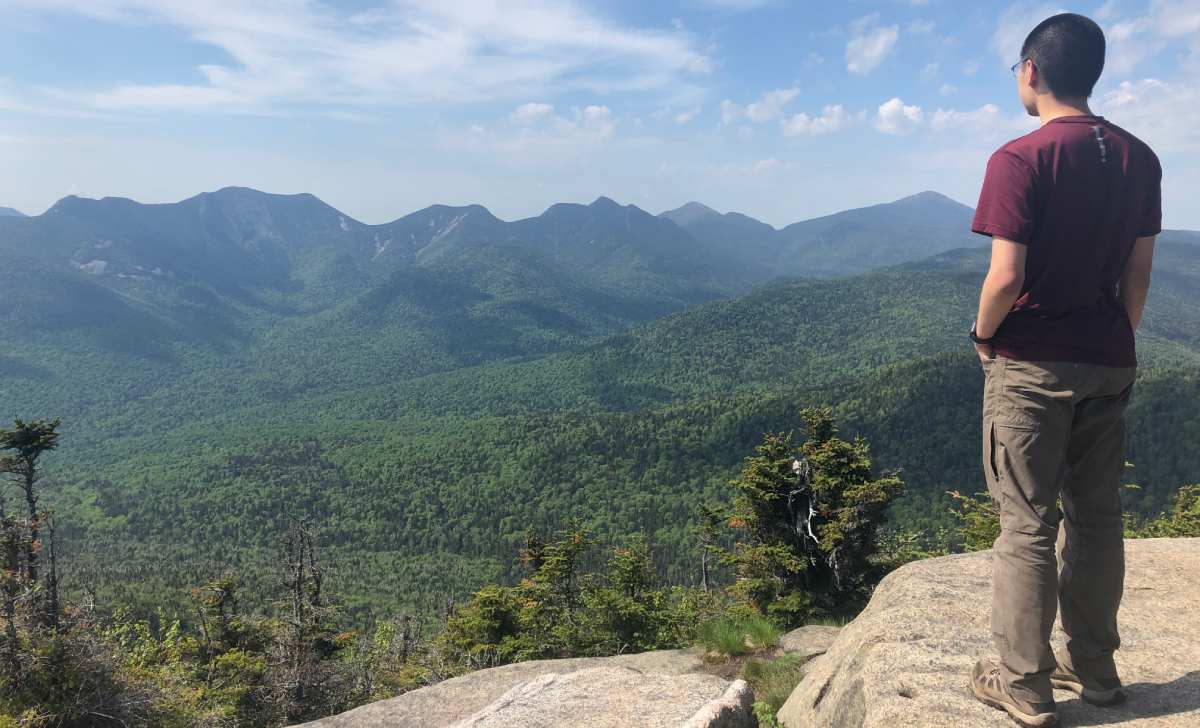
What to Wear Hiking in the Adirondacks in Summer
Hiking in the Adirondacks during summer means dealing with heat, humidity, pop-up thunderstorms, and even chilly summit breezes. Dressing in light, breathable, non-cotton layers helps you stay dry and protected as conditions change throughout the day.
Choose Fabrics That Keep You Dry
Cotton might feel comfortable at the trailhead, but once it gets wet, it holds onto moisture and dries slowly.
In the backcountry, that can mean feeling damp and cold for hours—especially in shaded forests or at higher elevations. For hiking, it’s best to wear clothing made from moisture-wicking synthetics or lightweight wool that help regulate body temperature and dry quickly.
Recommended Summer Hiking Clothing
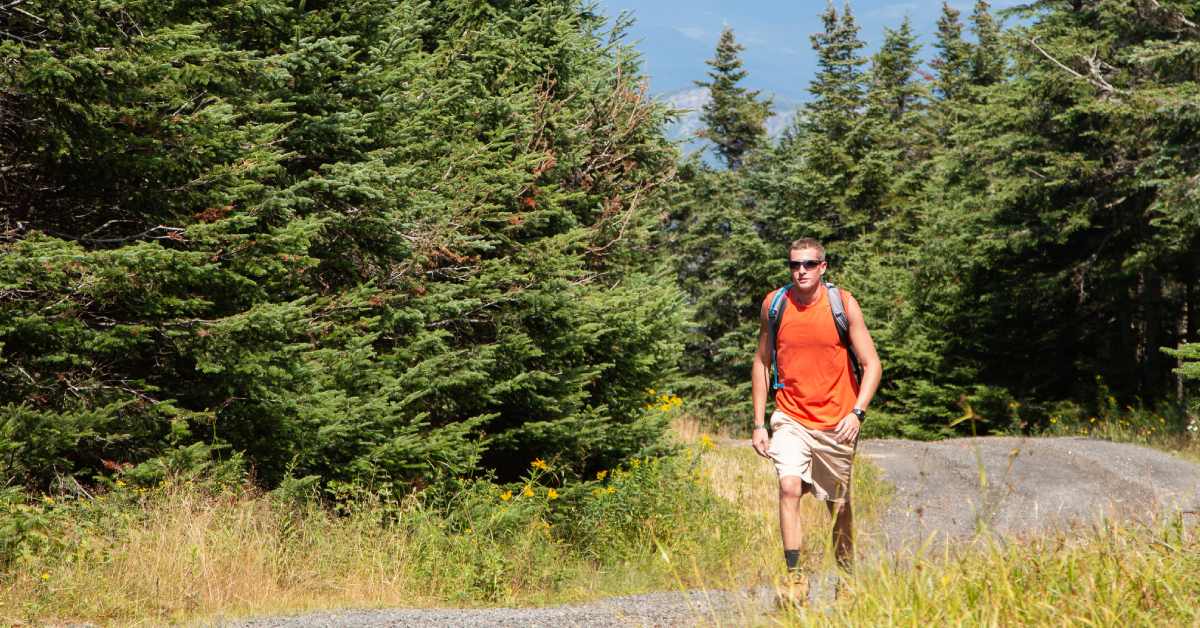
- Base Layer (Top & Bottom): Lightweight synthetic or merino wool base layers wick sweat and help manage heat.
- Shirts: A quick-drying synthetic t-shirt or a long-sleeve shirt that offers sun and bug protection. Consider UPF-rated sun shirts for UV protection.
- Sports Bra or Performance Undergarments: Choose breathable, moisture-wicking options for comfort on long hikes.
- Insulating Layer: A light fleece or synthetic pullover that can be worn during breaks or on windy summits.
- Rain Jacket: Even if the forecast looks clear, a waterproof and breathable jacket is essential.
- Pants: Durable, synthetic hiking pants are best. Zip-offs can be convenient on warm days.
- Rain Pants: Lightweight and packable, these help keep you dry in sudden storms or on muddy trails.
- Gaiters (Optional): Help keep water, grit, and insects out of your boots.
- Socks: Choose wool or synthetic hiking socks. Liner socks can help prevent blisters.
- Footwear: Waterproof hiking boots with ankle support are recommended for rugged trails. Trail runners are fine for lighter hikes if well broken-in.
- Accessories: Brimmed hat or cap, sunglasses, lightweight gloves, insect head net or face covering (for black fly season), and light-colored clothing to help spot ticks. Tuck pants into socks in grassy areas to reduce exposure.
Temperatures can change dramatically on trail, especially with elevation gain. Even in midsummer, it’s smart to pack an extra layer in case the weather turns or you end up hiking later than expected.
What to Bring Hiking in the Adirondacks in Summer
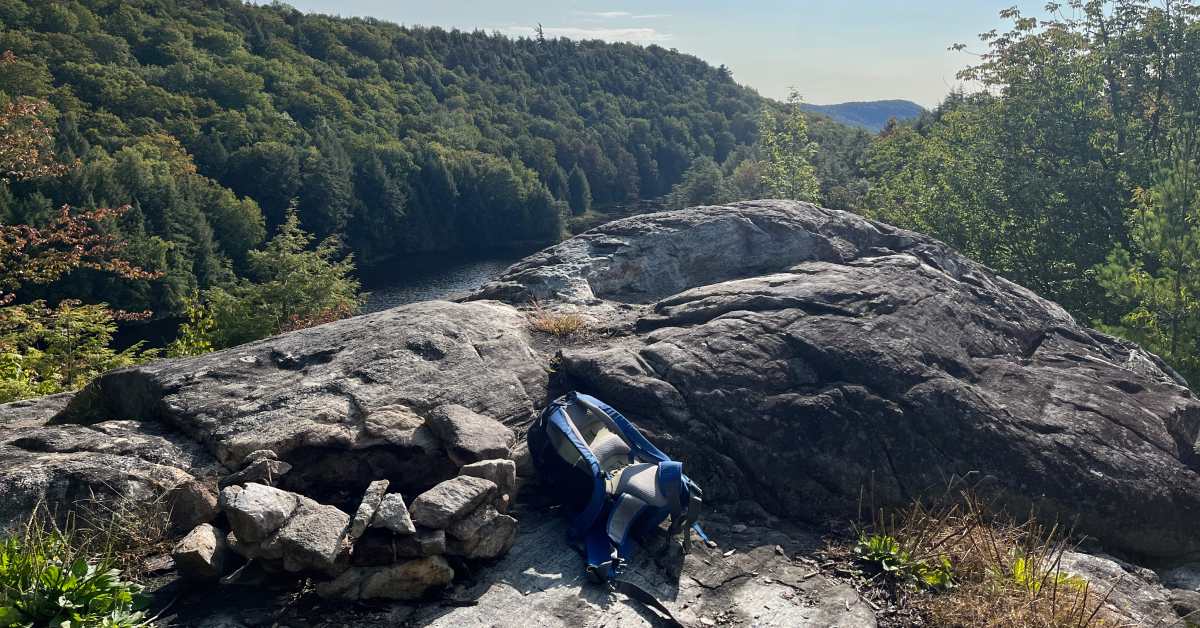
Packing wisely can mean the difference between a rewarding day in the woods and a miserable or even dangerous one. Whether you’re on a two-mile out-and-back or an all-day summit, some gear should always come with you.
Keep in mind that this list focuses on day hikes. If you’re planning an overnight trip, you’ll need more extensive gear.
10 Hiking Essentials (Adapted from the DEC)
- Navigation: Always carry a trail map and compass, and know how to use them. GPS apps are great tools but shouldn’t be your only plan.
- Insulation: Bring an extra warm layer like a fleece, even if the forecast is hot.
- Light Source: A headlamp with backup batteries is a must, even if you're not planning to hike after dark.
- First Aid Kit: Include essentials like bandages, antiseptic, gauze, and blister care. One per group is usually enough.
- Emergency Kit: Whistle, signal mirror, emergency blanket, and fire-starting gear should always be part of your pack.
- Fire Supplies: Waterproof matches and a lighter stored in a waterproof container.
- Nutrition: Bring more food than you think you’ll need. High-energy snacks like nuts, bars, jerky, and dried fruit work well.
- Hydration: Carry at least one liter of water for every two hours of hiking. Use water bottles or a bladder system, and pack a water filter or purification tablets if refilling on the trail.
- Emergency Shelter: A space blanket or ultralight tarp can be a lifesaver in an emergency or unexpected delay.
- Sun Protection: Pack and reapply sunscreen, SPF lip balm, and wear sunglasses to avoid sunburn and glare-related fatigue.
Helpful Gear Add-Ons
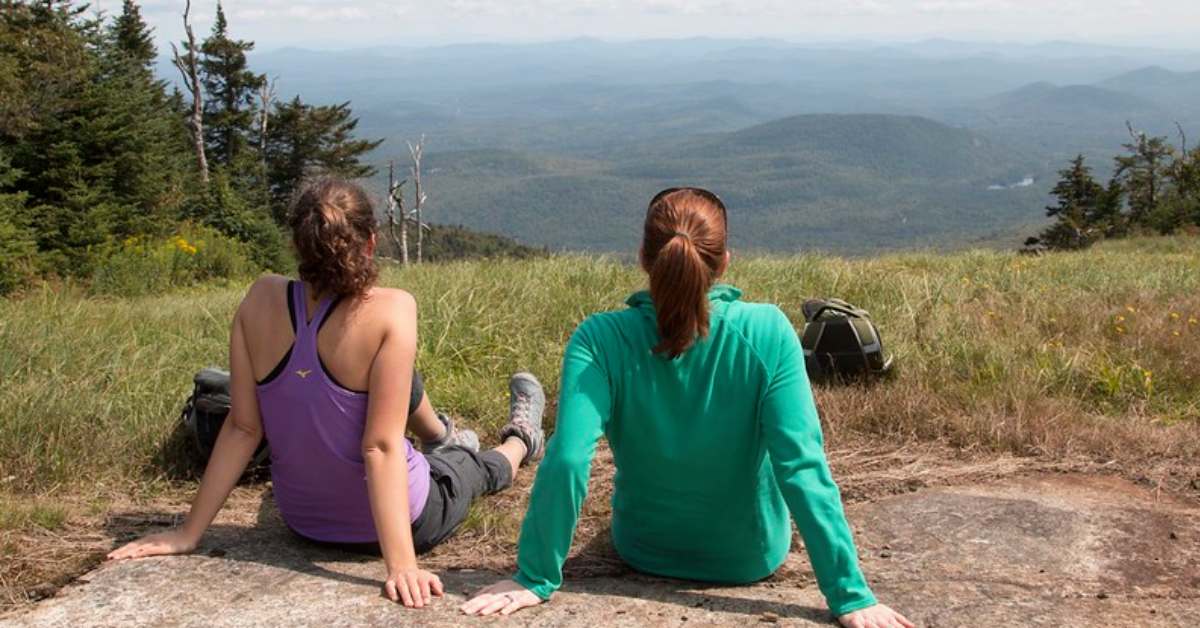
These aren’t essential for everyone, but they can make a big difference depending on your route, experience level, and conditions.
- Trekking Poles: Useful on steep descents and for easing joint strain.
- Bug Spray: Especially important in June and July.
- Multi-tool or Knife: Compact and helpful for a variety of small tasks.
- Toilet Paper + Trowel: Always follow Leave No Trace practices.
- Trash Bag or Pack Liner: Keeps gear dry and allows you to pack out all waste.
- Electrolyte Mix or Tablets: Helps replace minerals lost through sweat and prevent dehydration.
- Portable Battery Pack: A small external charger for your phone or GPS unit.
- Cooling Towel: Lightweight and easy to carry—soak in cold water and wear around your neck for relief on hot days.
- Duct Tape or Zip Ties: Great for field repairs on boots, packs, or trekking poles.
Map Downloads & Navigation Backup
Before heading out, download offline maps through apps like AllTrails+ or Gaia GPS. You can also use Google Maps or Apple Maps to save the trailhead for your return trip. Always bring a waterproof paper map and compass as a backup—batteries die and cell service can drop unexpectedly in the Adirondacks.
When it comes to summer hiking, it’s always better to be a little overprepared. The heat and humidity in the Adirondacks can creep up quickly, and long trails with rugged terrain can be deceivingly challenging.
Trailhead Logistics and Tips
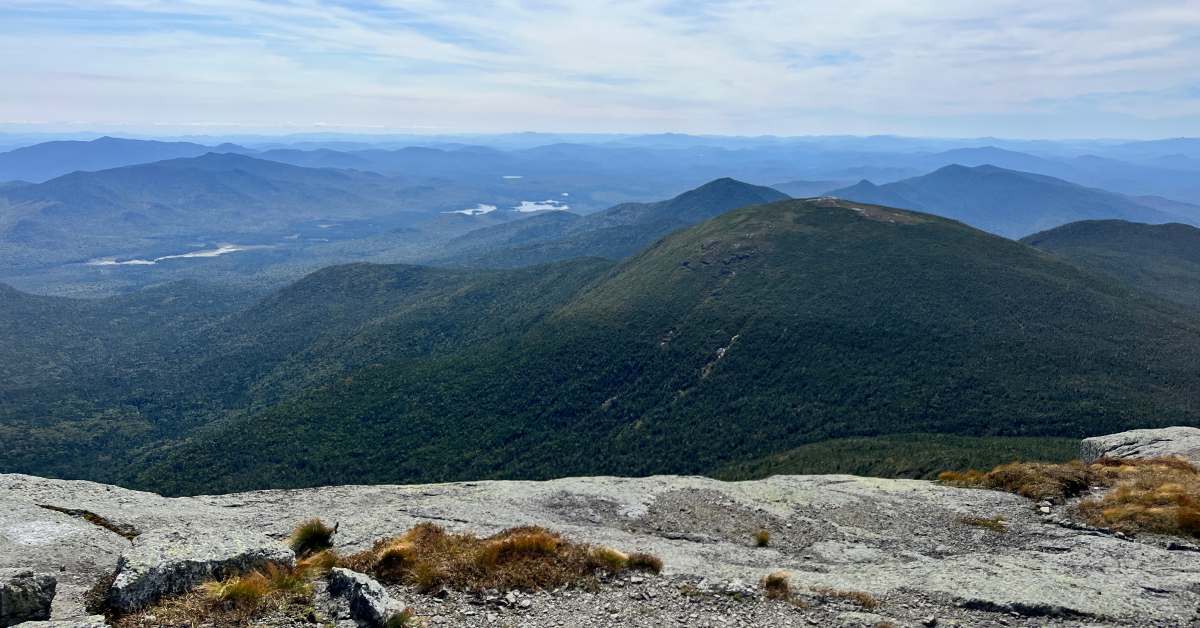
The most scenic trails often come with high traffic, parking limitations, and varied access rules. Here are a few tips that can make the start and end of your day smoother.
- Adirondak Loj & Heart Lake Program Center: If an attendant is present, you can pay the parking fee by cash, card, or check. If not, use the cash-only drop box.
- Garden Parking Lot (Keene Valley): Cash only, so be sure to have small bills.
- Keene Hiker Shuttle: Bring cash for this useful shuttle service. It’s especially helpful for point-to-point hikes or if lots are full.
A few more helpful pointers:
- Leave a cooler in the car: After a long hike, having cold water or a snack waiting in a cooler is a small comfort that goes a long way.
- Download offline maps: Even at trailheads, service can be unreliable. Apps like Gaia GPS, AllTrails, or Avenza Maps can be lifesavers—if you prep ahead.
- Tell someone your plans: Leave your intended route and expected return time with a friend or family member.
- Arrive early: Trailhead lots can fill by 7 a.m. on weekends, especially in summer. Consider midweek hikes or starting before sunrise if tackling a popular route.
Final Thoughts
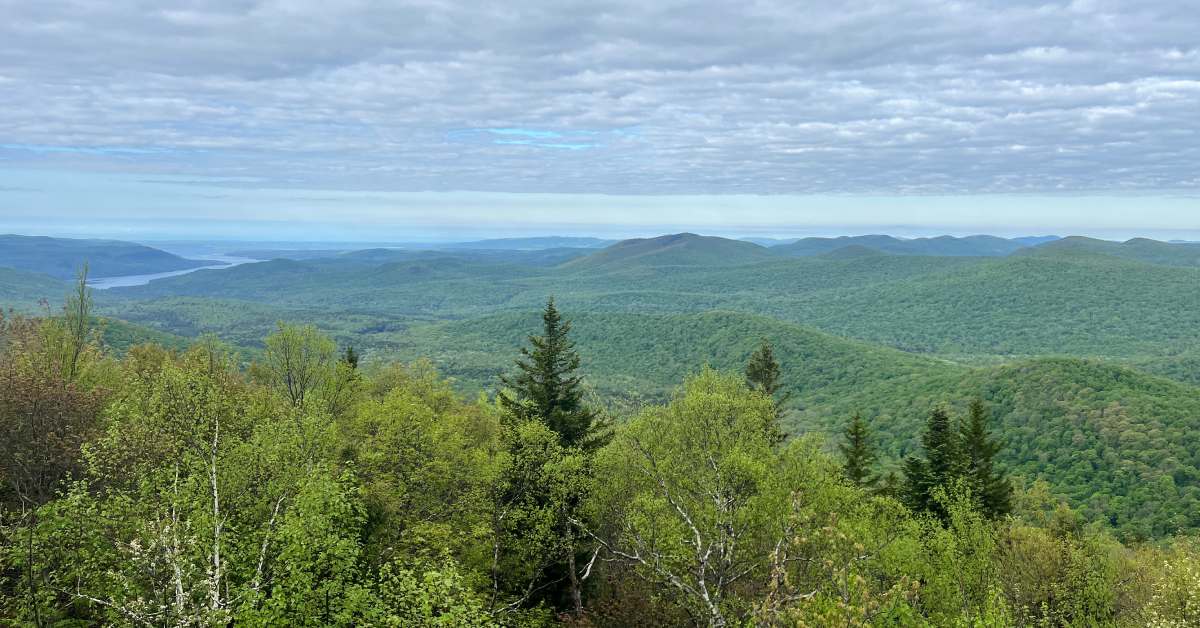
Summer hiking in the Adirondacks is one of the most rewarding ways to experience the Park—but it also requires respect for the conditions and terrain. Weather, trail difficulty, and length all play a role in what you should wear and pack.
This guide isn’t exhaustive. A short loop around a lake calls for less gear than a summit push in the High Peaks. But whether you’re walking with kids on a quiet trail or chasing your 46er goals, these essentials will help keep you safe, comfortable, and better prepared to enjoy everything the Adirondack wilderness offers.
Read about current trail conditions >>
<< Back to Adirondack Hiking Guide
Amazon Affiliate Disclosure: Our team independently recommends products on Amazon.com, and we earn from qualifying purchases.