Adirondack High Peaks: A Hiker's Complete Guide
The Adirondack High Peaks are widely recognized as one of the ultimate outdoor challenges in the Northeast. Stretching across the region, these 46 towering summits draw hikers, backpackers, and outdoor enthusiasts each year.
Hike all 46, and you're a 46er! These massive mountains demand real preparation, especially for beginner hikers. Researching what to expect ahead of time, including rules and current trail conditions, is crucial.
This guide provides the foundational overview you need before hitting the trail, whether you're aiming for your first summit or planning a multi-day backpacking expedition.
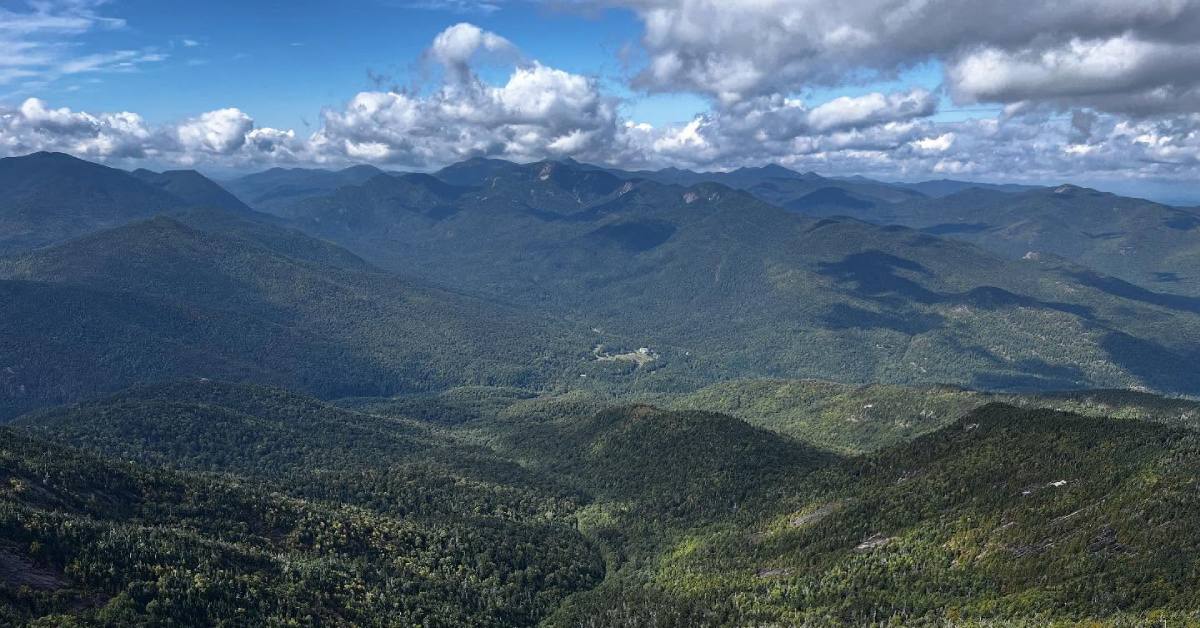
What Are the Adirondack High Peaks?
The Adirondack High Peaks are New York's ultimate hiking challenge—a celebrated collection of 46 summits traditionally towering over 4,000 feet. Modern surveys have since revealed that a few of these peaks actually fall slightly short of that mark, but tradition wins out: they remain firmly grandfathered into the 46er list.
Official List of All 46 Adirondack High Peaks
Below is the official list of the 46 peaks, ordered from highest elevation to lowest:
- Mount Marcy
- Algonquin Peak
- Mount Haystack
- Mount Skylight
- Whiteface Mountain
- Dix Mountain
- Gray Peak
- Iroquois Peak
- Basin Mountain
- Gothics
- Mount Colden
- Giant Mountain
- Nippletop
- Santanoni Peak
- Mount Redfield
- Wright Peak
- Saddleback Mountain
- Panther Peak
- Tabletop Mountain
- Rocky Peak Ridge
- Macomb Mountain
- Armstrong Mountain
- Hough Peak
- Seward Mountain
- Mount Marshall
- Allen Mountain
- Big Slide Mountain
- Esther Mountain
- Upper Wolfjaw
- Lower Wolfjaw
- Street Mountain
- Phelps Mountain
- Mount Donaldson
- Seymour Mountain
- Sawteeth
- Cascade Mountain
- South Dix
- Porter Mountain
- Mount Colvin
- Mount Emmons
- Dial Mountain
- Grace Peak
- Blake Peak
- Cliff Mountain
- Nye Mountain
- Couchsachraga Peak
What Is an Adirondack 46er?
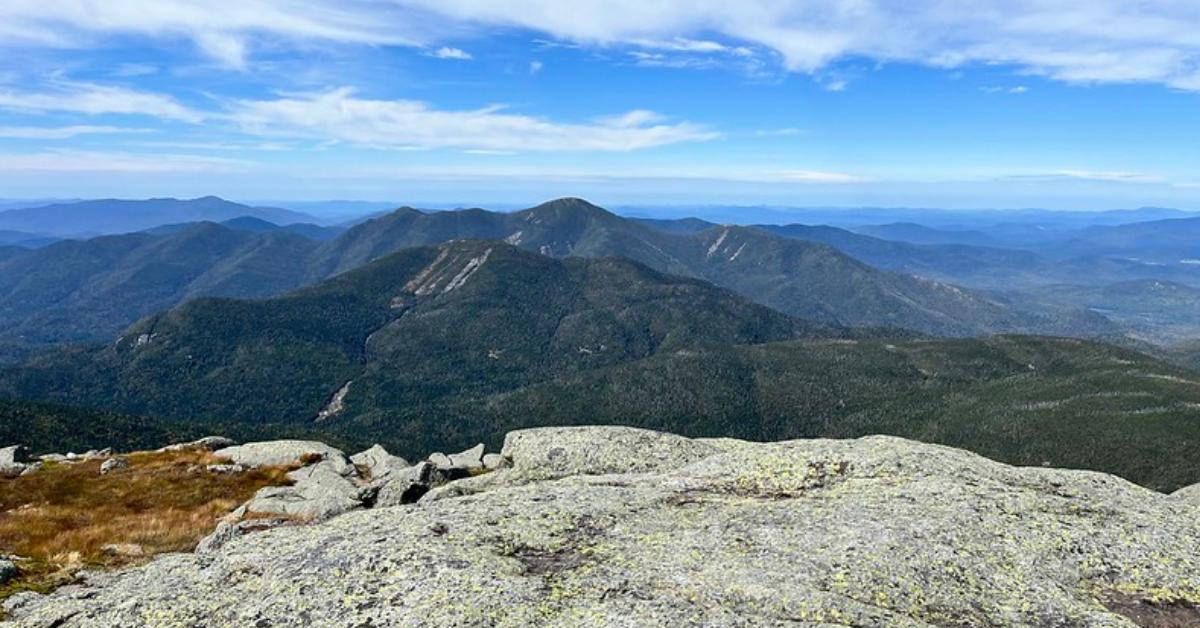
An "Adirondack 46er" is a hiker who has climbed all 46 of the region's major High Peaks. It is also the name of the official, independent organization—Adirondack 46ers, Inc.—that registers these finishers and fosters a dedicated community of stewards.
The tradition began in the 1920s when hiking brothers Robert and George Marshall, alongside their guide Herbert Clark, became the first to summit them all. Today, the all-volunteer 46er organization is dedicated to protecting the High Peaks wilderness, funding trail maintenance, and educating hikers on Leave No Trace principles.
Planning Your High Peaks Adventure
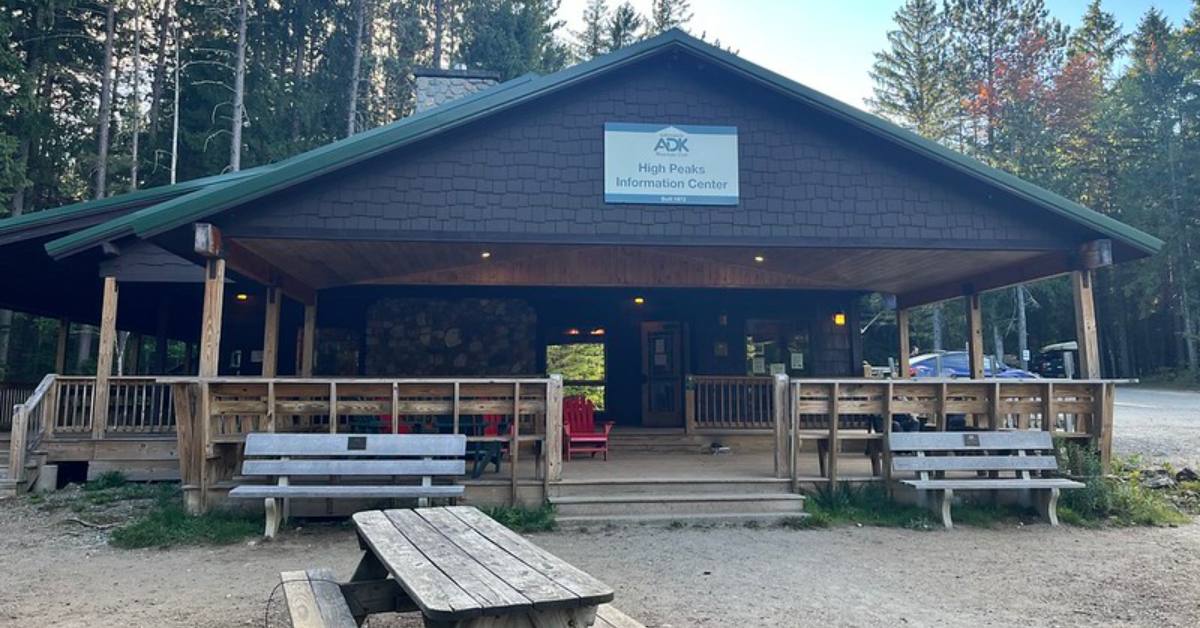
Conquering the High Peaks requires intentional preparation, the right gear, and a respect for the wilderness. Remember that these summits are located on protected Forest Preserve lands, and hikers must follow strict guidelines to help preserve the fragile alpine ecosystems and ensure personal safety.
Here's a quick overview on what to know beforehand:
- Parking in General: Trailhead parking lots fill up incredibly fast, particularly in the summer and fall weekends. It's always recommended to have a backup plan or two, in case your desired location is full. Illegal parking is strictly ticketed.
- AMR Reservations: If you plan on parking at the Adirondack Mountain Reserve trailhead you need a reservation beforehand (it's free). This affects the following High Peaks: Lower Wolfjaw, Upper Wolfjaw, Armstrong, Gothics, Sawteeth, Saddleback, Basin, Haystack, Dial, Nippletop, Colvin, and Blake. Note, Lower and Upper Wolfjaw, Armstrong, and Haystack, can also be accessed from The Garden Trailhead.
- The Garden Trailhead: This extremely popular, limited-capacity lot costs $10 per day. It serves as a primary starting point for Big Slide and other popular interior hikes.
- Adirondack Loj: The Loj is one of the most popular High Peaks access points, and this does require paid parking, which is $25. This is a common starting point for Marcy, Algonquin, and Wright.
Essential Gear & Mountain Weather Preparation
The weather can change drastically at high elevations. The temperature and conditions at the trailhead may be completely different from what's happening at the top of the mountain.
Research current trail conditions, the weather, and wear/bring appropriate gear: sturdy footwear, water-resistant layers, plenty of water, and proper emergency navigation tools.
Don't rely on your cell phone - cell phone coverage is often spotty in the Adirondacks, and it could run out of battery.
BROWSE HIKING APPAREL | SEE HIKING GEAR
Adirondack High Peaks: Related Guides & Articles
Comparing the Adirondack High Peaks: Elevation, Difficulty & Trail Times
Please note: The difficulty levels and typical hike times are estimates, and will vary depending on the individual, the weather, and other conditions.
Amazon Affiliate Disclosure: Our team independently recommends products on Amazon.com, and we earn from qualifying purchases.