Adirondack Fall Hiking Gear: What to Wear & Pack for the Trail
As a local hiker working toward my 46er goal, I spend plenty of time on Adirondack trails year-round—but fall is easily one of my favorite seasons. The crisp air, vibrant foliage, and quieter midweek trailheads make it an ideal time to explore. But it’s also when having the right Adirondack fall hiking gear becomes essential.
From sudden weather shifts to busy leaf-peeping weekends, a little planning goes a long way. Peak foliage (late September to mid-October) often draws big crowds to popular trails, so choosing less-trafficked routes and timing your hikes can make all the difference.
And while the views are stunning, Adirondack weather is famously unpredictable. Sunshine at the trailhead can quickly turn to sleet at higher elevations. In this guide, I’ll share what to wear, what to pack, and local tips to help you stay safe, comfortable, and ready for whatever the fall trails bring.
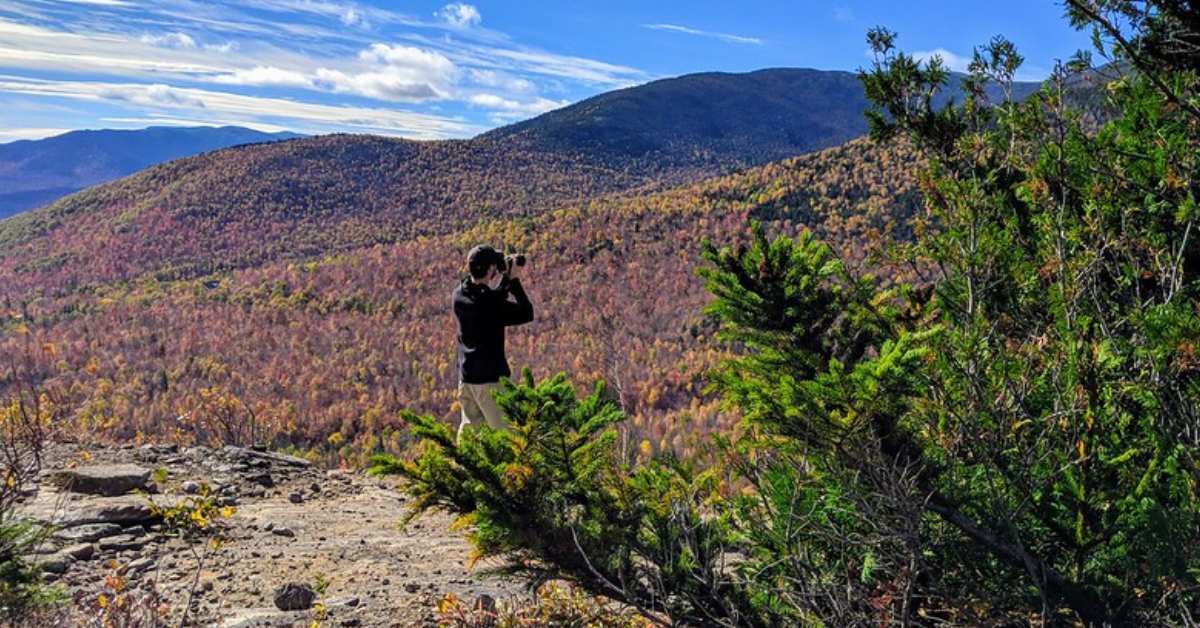
What to Wear Hiking in the Adirondacks in Fall
Fall hiking in the Adirondacks means preparing for a wide range of conditions—warm afternoons, chilly mornings, rain, wind, and even early snow in the High Peaks. Layering is key.
Choose Materials That Keep You Dry and Warm
Avoid cotton. It holds moisture, making you colder as temperatures drop. Instead, wear moisture-wicking synthetic fabrics or merino wool, which dry quickly and help regulate your body temperature.
Recommended Fall Hiking Clothing
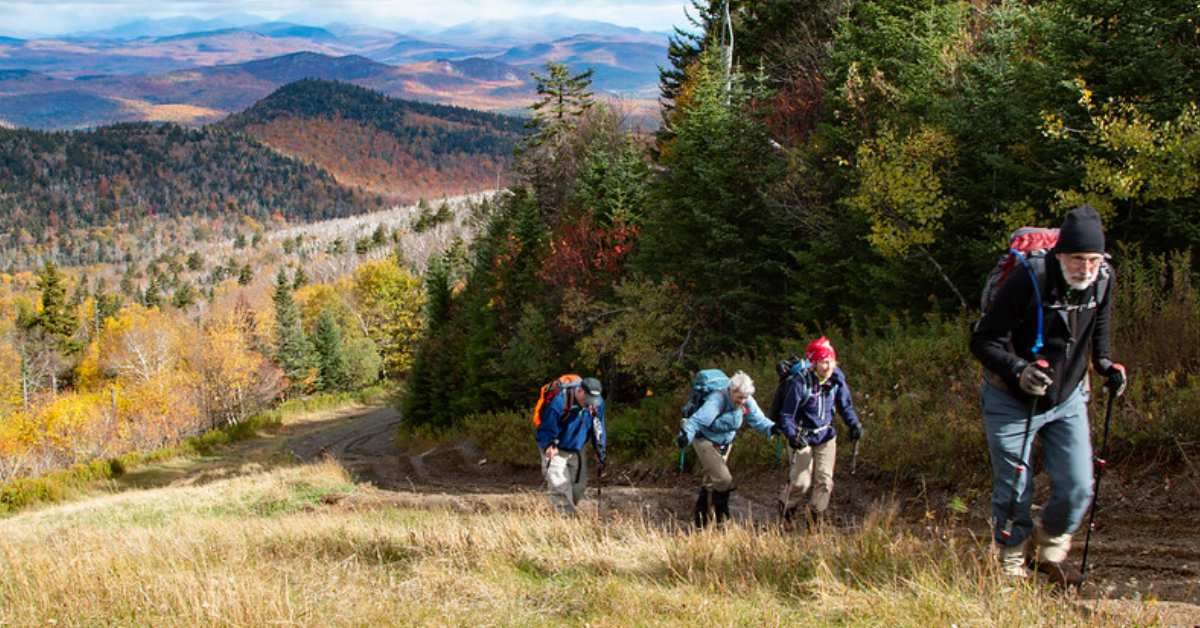
- Base Layer (Top and Bottom): A mid-weight synthetic or merino wool long-sleeve shirt and leggings help trap heat and wick sweat.
- Mid Layer: Fleece or synthetic pullovers offer insulation. Bring at least one warm layer even on short hikes.
- Outer Layer: A waterproof, windproof jacket with a hood is essential. Look for options that fit over your other layers.
- Pants: Quick-drying hiking pants are ideal. In late fall, consider insulated or heavier-weight versions.
- Rain Pants: Waterproof and breathable pants that can be pulled over your base layer. Full-length side zippers make them easier to put on without removing boots.
- Hat and Gloves: A fleece or wool hat and a pair of glove liners provide comfort on cold mornings and summit stops.
- Gaiters: Helpful in muddy or wet areas and in early snow at elevation.
- Socks: Heavyweight wool hiking socks with moisture-wicking liner socks help prevent blisters and keep your feet warm.
- Footwear: Waterproof hiking boots with ankle support and a lugged sole are best. Make sure they’re broken in before hitting the trail.
- Accessories: A brimmed hat or cap for sun, sunglasses with UV protection, and an insect head net if bugs are still active. Tuck pants into socks in brushy or grassy areas to help spot ticks.
BROWSE TOP-RATED HIKING APPAREL
In early fall, daytime highs can still climb into the 60s or 70s. But by late October, frost and even snow can make for winter-like conditions above 3,000 feet. Bring multiple layers so you can adapt as conditions change throughout your hike.
What to Bring Hiking in the Adirondacks in Fall
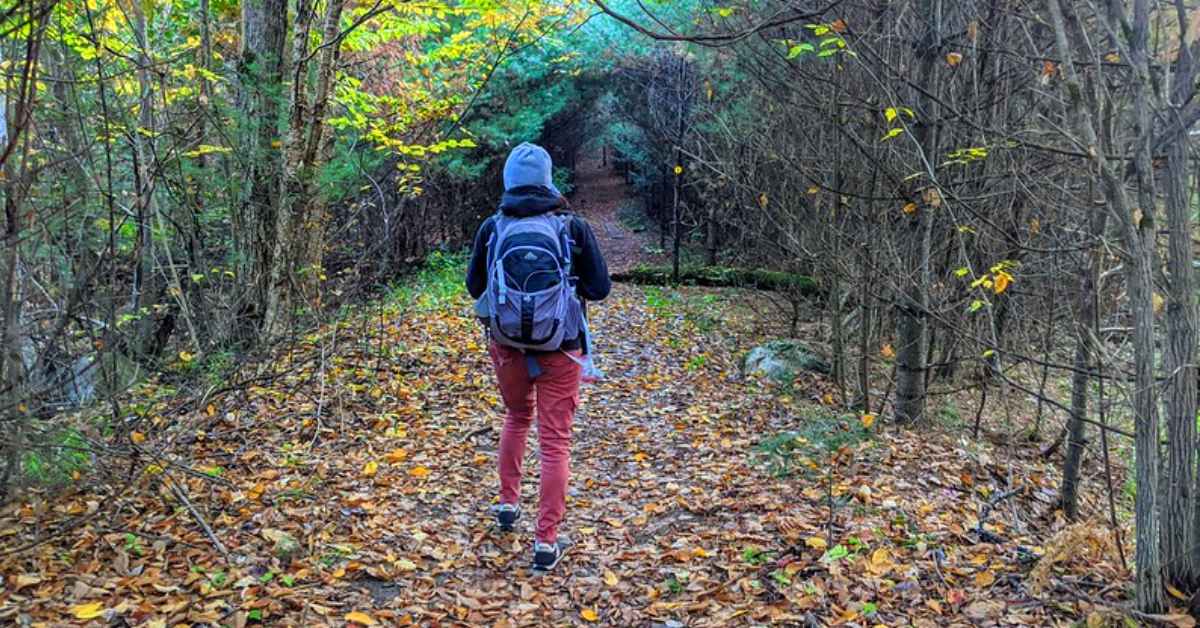
Packing the right gear is as important as dressing properly—especially as daylight gets shorter and weather more variable.
The DEC’s 10 Hiking Essentials (Fall-Ready Edition)
These are the baseline items every hiker should carry. You’ll find these listed in the DEC’s Hike Smart NY guide, and they’re just as important—if not more so—in fall.
- Navigation: A trail map and compass are must-haves. GPS apps are helpful, but don’t rely solely on them—especially in fall, when fallen leaves can obscure trail markers and tread, and less-maintained routes may become harder to follow. After storms, you may also encounter blowdowns or unmarked reroutes. Good navigation helps you stay on course even if the trail gets less obvious.
- Insulation: Always carry an extra warm layer, even for shorter hikes.
- Light Source: A headlamp with extra batteries is essential in fall. Sunset comes quickly and trailheads often lack artificial light.
- First Aid Kit: Include essentials like bandages, blister care, antiseptic, and any personal medications.
- Emergency Kit: A whistle, emergency blanket, and fire-starting gear (lighter or waterproof matches) should be part of your fall daypack.
- Fire: Bring fire-starting supplies in a waterproof container.
- Nutrition: Pack high-energy snacks like jerky, nuts, trail mix, and energy bars. Bring more than you think you’ll need.
- Hydration: At least two liters of water per person. Consider an insulated bottle for hot drinks on cold days. A water filter or purification tablets are smart if you plan to refill.
- Emergency Shelter: A space blanket or lightweight tarp can provide crucial protection if you get delayed or injured.
- Sun Protection: Sunscreen and SPF lip balm are still necessary—even on cloudy days.
Helpful Fall Hiking Gear Add-Ons
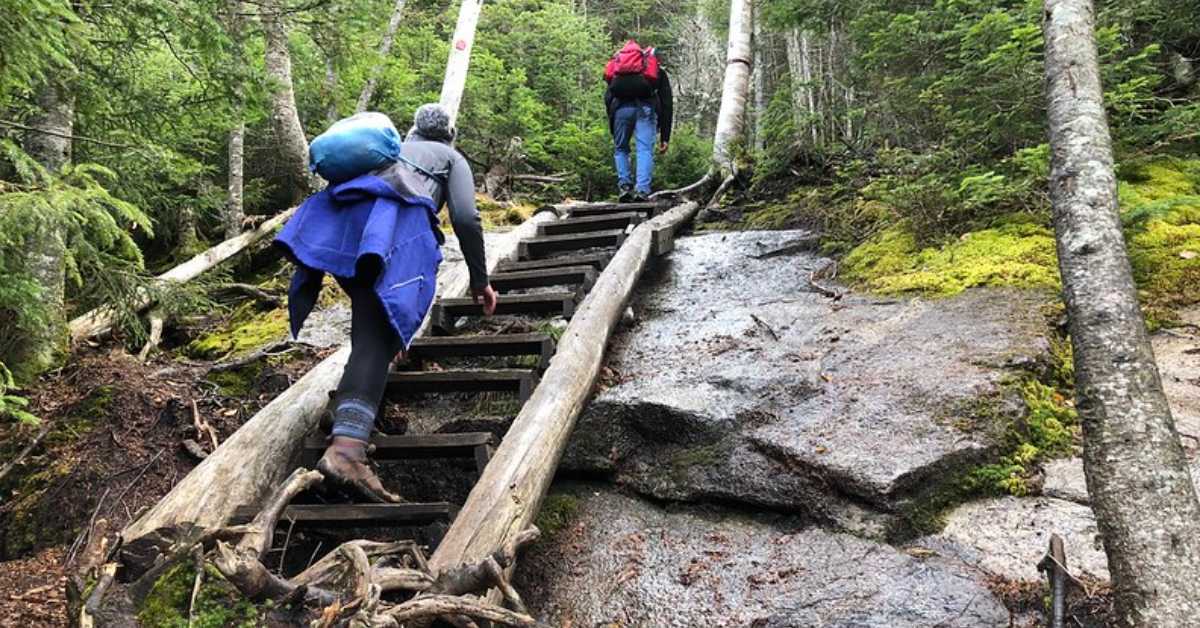
While not mandatory, these items can greatly improve your comfort and safety on fall hikes.
- Trekking Poles: Helpful for stability on slippery leaves, wet rocks, and steep descents.
- Bug Spray: Mosquitoes and gnats may still be active in early fall.
- Knife or Multi-tool: Useful for quick repairs or unexpected needs.
- Toilet Paper and Trowel: Follow Leave No Trace practices.
- Pack Liner or Trash Bag: Keeps gear dry and doubles as emergency insulation.
- Electrolyte Tablets: Replenish minerals and help avoid dehydration, even in cooler temps.
- Portable Battery Pack: Cold temps drain devices faster. A small backup charger helps if you use GPS or camera apps.
- Hand or Foot Warmers: Especially helpful in late fall for early-morning starts or summit breaks.
- Duct Tape or Zip Ties: Great for temporary fixes in the field.
Seasonal Tips for Fall Hiking in the Adirondacks
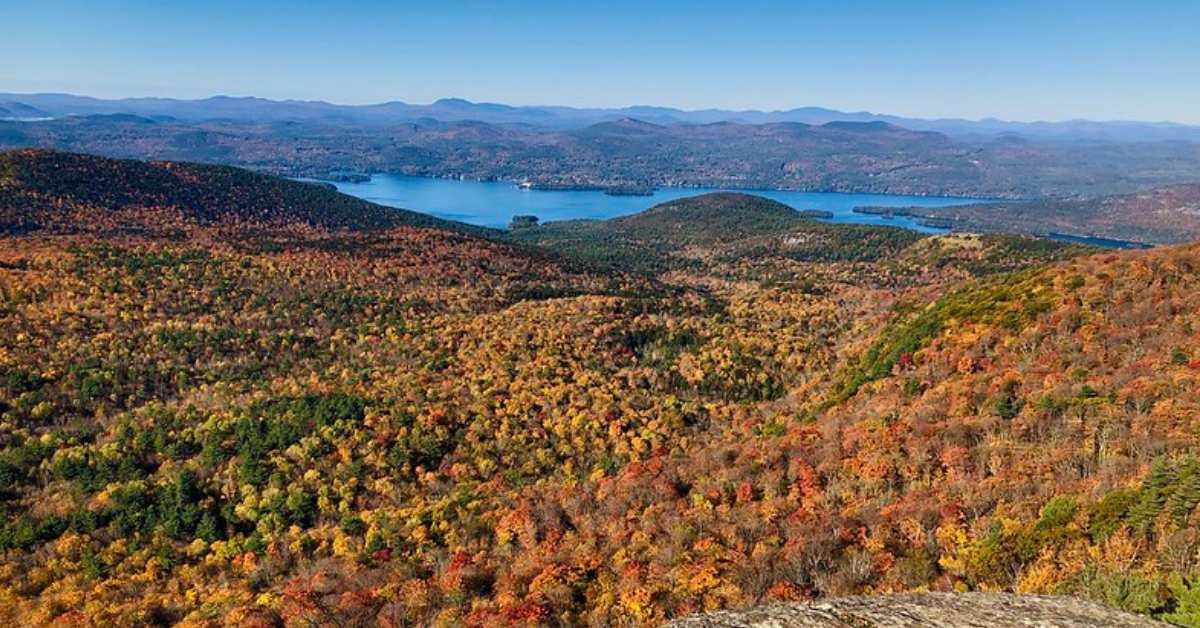
Start Early to Beat the Dark
With sunset arriving as early as 4:30 p.m. by late October, aim to be off the trail well before dark. Plan your hike to allow extra time for rest or slower travel on slippery terrain.
Check Weather at the Summit
Use the National Weather Service’s mountain point forecasts for Northern and Southern Adirondacks to review both daytime and overnight temperatures at elevation. Weather can shift quickly, especially in the High Peaks.
Be Visible During Hunting Season
From September through December, hunting is active across the Adirondack Park. Wear bright colors like blaze orange or red. Avoid earth tones like brown, green, or white. Outfit your dog with a visible vest or bandana too.
Watch for Ice and Slippery Leaves
In October, higher elevations may see early frost or ice. Wet leaves can also be slick. Pack microspikes when heading above 3,000 feet and use trekking poles for added balance.
Expect Crowds During Peak Foliage
Popular trailheads can fill up quickly during leaf-peeping season, especially on weekends in late September and early October. Start early, hike midweek, or opt for less-trafficked routes.
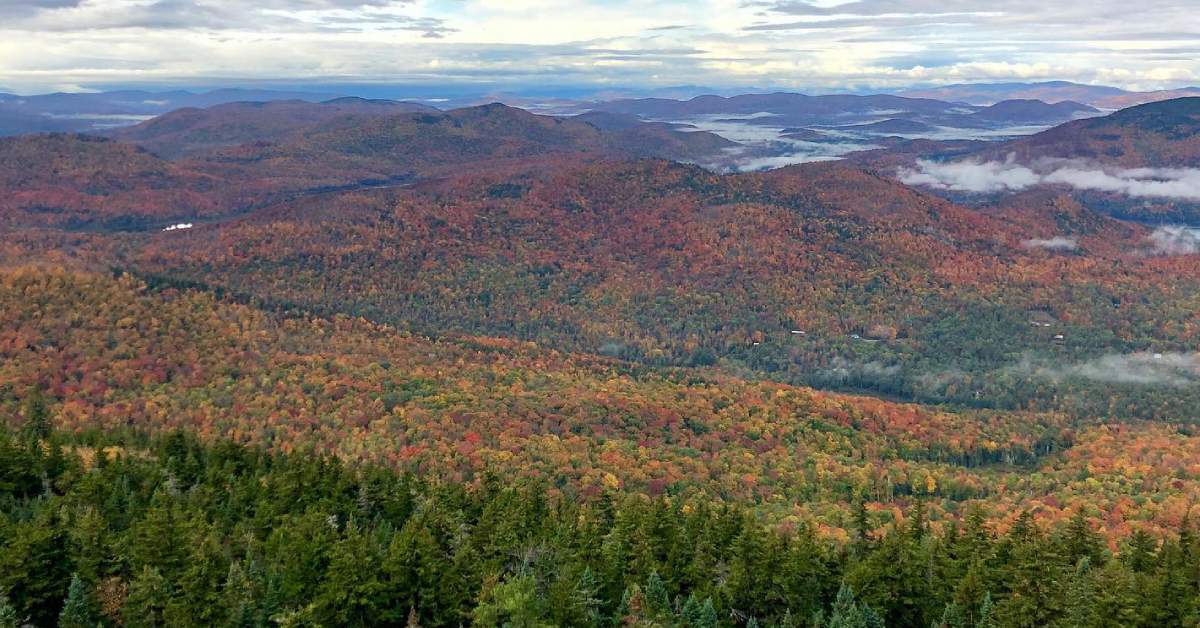
Look Out for Trail Hazards
Some trails receive less maintenance after Labor Day. Fallen leaves can cover trail markers or obscure hazards like roots and rocks. Navigation and footing both require extra attention.
Don’t Forget the Essentials
Bring cash for parking at lots like the Garden in Keene Valley. The Keene Hiker Shuttle runs through early October and also accepts cash only. AMR trailheads still require free reservations through October 31.
Download Offline Maps
Even at busy trailheads, cell service can be unreliable. Download offline maps with Gaia GPS, Avenza, or AllTrails before you go.
Share Your Itinerary
Leave your route and return time with someone before you head out. Even for short hikes, this basic safety habit matters in the backcountry.
Final Thoughts
Fall is a beautiful time to hike in the Adirondacks, but it also comes with unpredictable weather and changing trail conditions. Stay flexible, stay prepared, and enjoy the season safely.
Read about current trail conditions >>
<< Back to Adirondack Hiking Guide
Amazon Affiliate Disclosure: Our team independently recommends products on Amazon.com, and we earn from qualifying purchases.