Adirondack Drone Rules & Guide: Where You Can (& Can't) Fly
The Adirondacks seems like a natural place to fly a drone, with its incredible forests, mountain summits, and a variety of waterways. But aerial photographers and videographers should know important rules and guidelines before flying that drone.
The Basics: Land Classification
Drone flight in the Adirondacks comes down to how New York State defines drones, and how the Adirondack State Land Master Plan (SLMP) classifies public lands.
Drones are classified as mechanized/motorized equipment and unmanned aircraft systems (UAS). Because state regulations prohibit the public use of motorized equipment and aircraft on certain protected land classes, drone use depends on the designation of the land, not the air.
Where Drone Operation is NOT Allowed
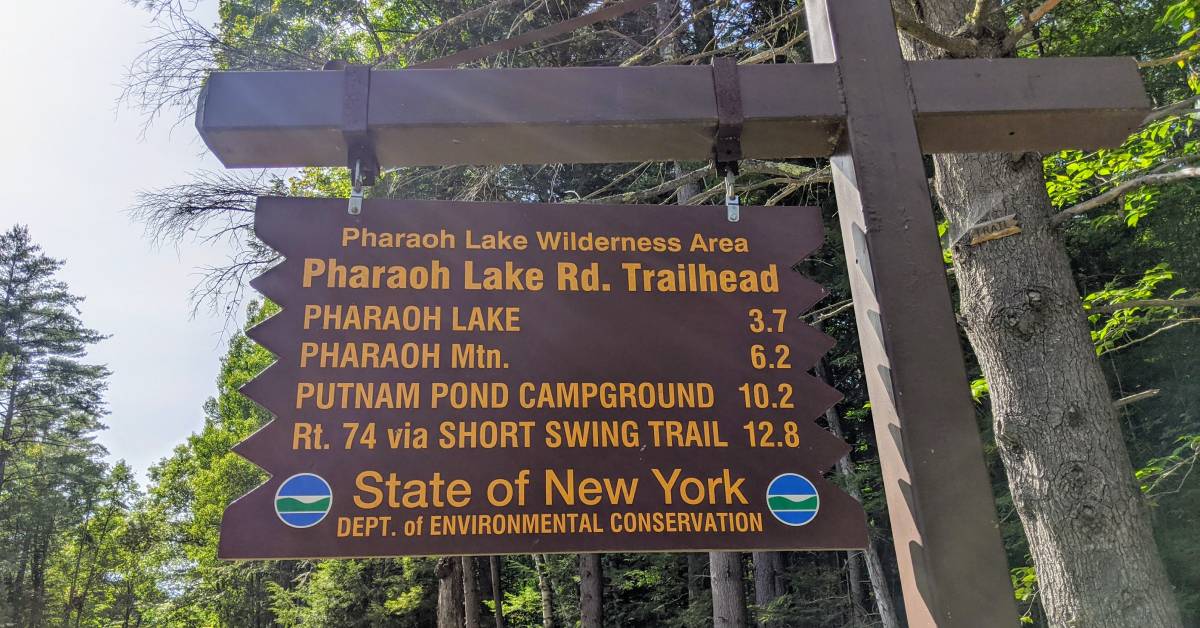
New York State regulates what happens on the ground, not the airspace above it. Because drones are classified as motorized equipment, both hobbyist and commercial drone operations are prohibited from launching, landing, or being operated within Forest Preserve lands classifie das:
- Wilderness Areas (example: High Peaks Wilderness)
- Primitive Areas (example: Essex Chain Lakes Primitive Area)
- Canoe Areas (example: St. Regis Canoe Area)
This means you cannot hike into these areas and launch a drone from the trail or summit. However, since the FAA - not the state - governs the airspace itself, it's technically possible to launch from just outside the boundary (such as a public highway or trailhead parking area outside the zone) and fly over Wilderness land, provided you maintain unaided visual line of sight with the aircraft at all times.
Note, this is a legal gray area rather than a clear green light. The DEC hasn't issued detailed guidance on the practice, and disturbing wildlife and other visitors while doing so can still open you up to legal exposure. When in doubt, launch and land from a permitted area.
Also worth nothing, although they do not exist within the Park, be aware that drones are prohibited in Primitive Bicycle Corridors and DEC Environmental Education Centers.
Where Drone Operation *Is* Allowed
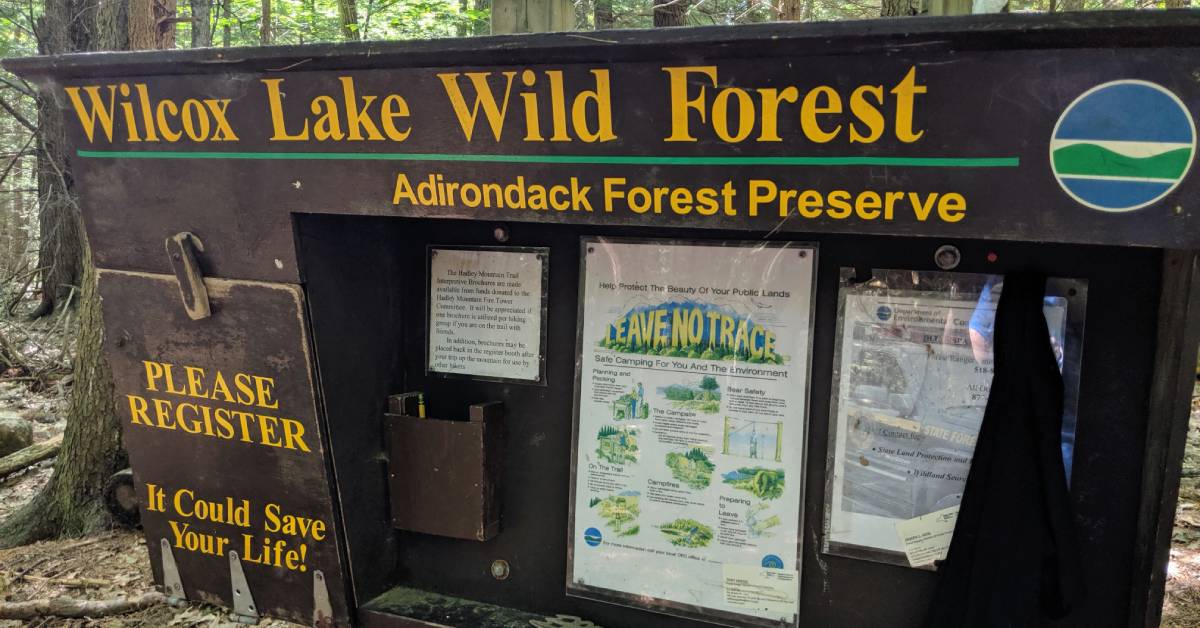
Good news! You can fly a drone in certain sections of the Adirondacks, provided you adhere to standard FAA safety guidelines and any property-specific permit rules:
- Wild Forest Areas (example: Black River Wild Forest)
- State Forests, Unique Areas & Multiple Use Areas (example: Split Rock Mountain)
- Travel Corridors (example: Remsen-Lake Placid Travel Corridor)
- Private Property (with use of landowner, provided the flight complies with FAA airspace boundaries and local town ordinances)
Specialized Venues & Facilities
For specialized venues and facilities, including the ORDA Winter Sports Venues, DEC Campgrounds and Day Use Areas, Conservation Easements, and Wildlife Management Areas, it's recommended to call the venue, DEC, or nearest Wildlife office to ensure the flight does not conflict with existing land uses or private easement terms.
Federal Aviation Administration (FAA) Baseline Rules
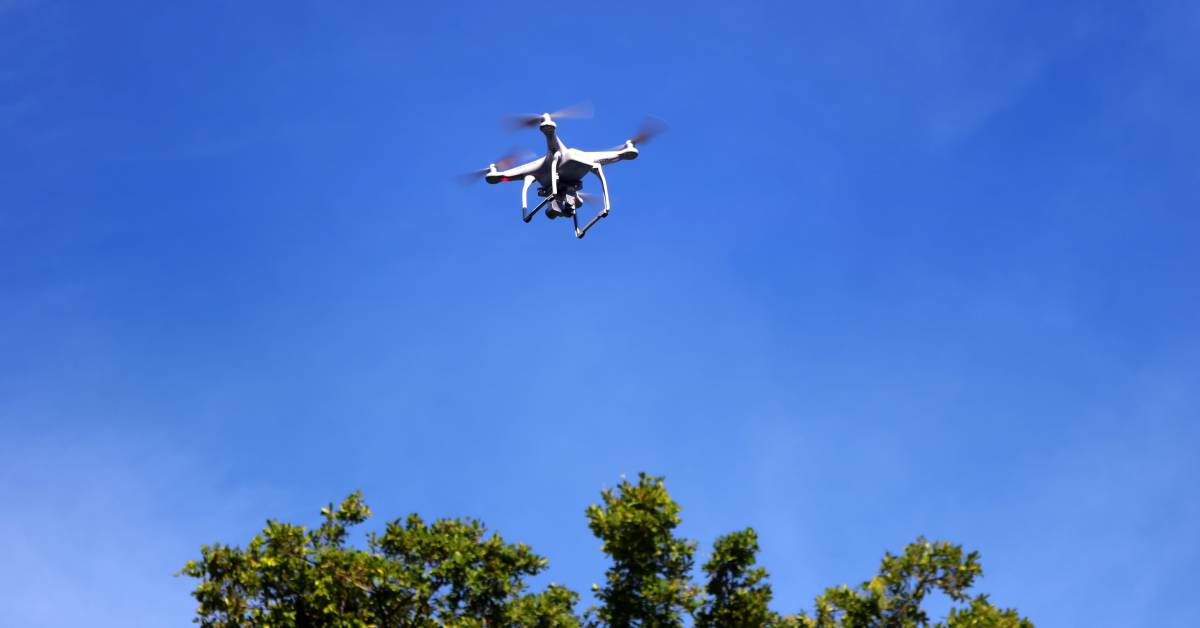
Regardless of where you launch in the park, all flights must follow baseline federal aviation regulations:
- Altitude Limit: Fly at or below 400 feet above ground level (AGL).
- Visual Line of Sight (VLOS): You must be able to see your drone with your own unaided eyes at all times.
- Fly Clear of People & Moving Vehicles: Never fly directly over uninvolved individuals, open-air assemblies, or moving cars.
- Registration & Certification: Recreational Pilots: Must pass the free online TRUST (The Recreational UAS Safety Test) and carry the certificate. Any drone weighing over 0.55 lbs (250g) must be registered with the FAA ($5 for 3 years).Commercial Pilots: Anyone flying for commercial purposes, business furtherance, or monetization must hold an active FAA Part 107 Remote Pilot Certificate.
- Recreational Pilots: Must pass the free online TRUST (The Recreational UAS Safety Test) and carry the certificate. Any drone weighing over 0.55 lbs (250g) must be registered with the FAA ($5 for 3 years).
- Commercial Pilots: Anyone flying for commercial purposes, business furtherance, or monetization must hold an active FAA Part 107 Remote Pilot Certificate.
- Remote ID: Ensure your drone complies with FAA Remote ID broadcast requirements.
- Airspace Awareness: Check the FAA B4UFLY app or an authorized LAANC provider prior to flight to check for Temporary Flight Restrictions (TFRs) or nearby public/private airport zones.
Drones at Festivals, Major Events & Airports: Why They're Off Limits
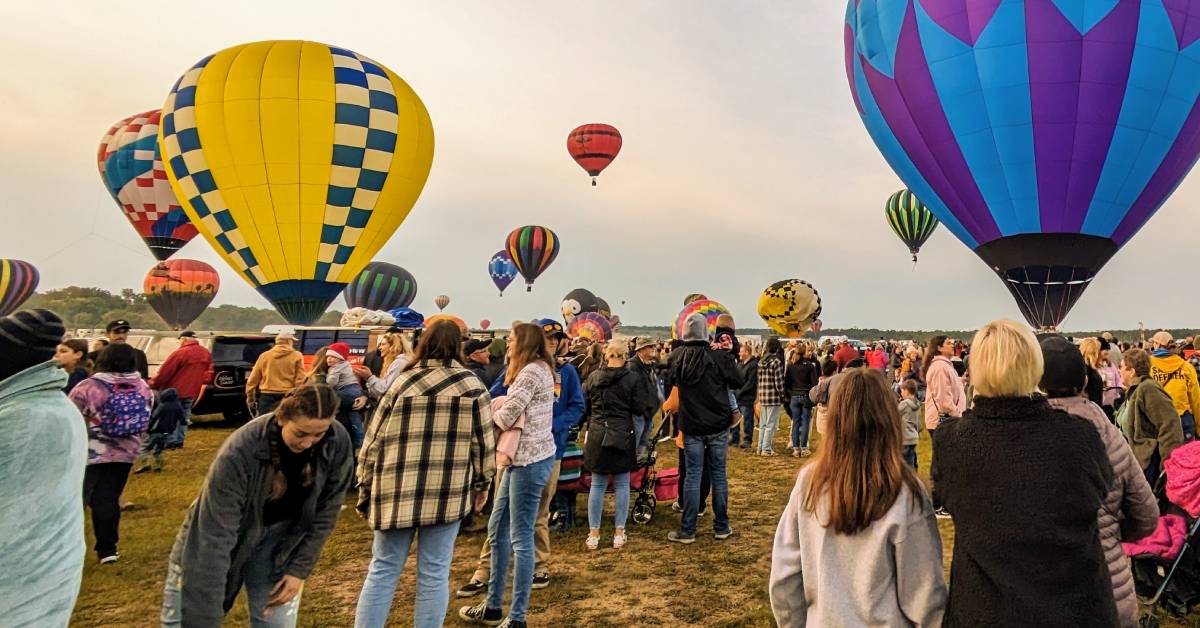
Beyond state land classifications, large public events across the Adirondack and Capital regions come with strict federal, local, and venue-specific drone bans. Even if an event takes place in an open field, public park, or airport property, unauthorized drone flights are strictly prohibited due to severe safety risks, airspace restrictions, and crowd regulations.
The Adirondack Balloon Festival, for example, which takes place just outside the Park at Floyd Bennett Memorial Airport in Queensbury and Crandall Park in Glens Falls, is a prime example of an event where personal drones are banned.
The event takes place at an airport and is therefore subject to FAA airfield safety protocols and controlled airspace, the event is hugely popular with large crowds (no flying over open-air assemblies of people), a collision between a spinning drone rotor and a balloon could be catastrophic and pose a fire risk, and the list goes on.
Similarly, no drones are allowed at the Olympic regional venues where large-scale competitions take place, at the Thursday Night Fireworks in Lake George, and so forth. Checking with individual event organizers is always safest if you're unsure of the drone rules.
Leave No Trace Etiquette for Drone Pilots
Flying in wild spaces requires extra mindfulness to protect wildlife and the outdoor experience of other visitors. Follow these outdoor ethics that go along with Leave No Trace etiquette when flying in permitted areas:
- Plan Ahead and Prepare: Research parcel boundaries before heading out.
- Protect Fragile Vegetation: Stick to durable rock surfaces or established trail clearings when staging, taking off, and landing. Avoid stepping into fragile alpine vegetation.
- Respect Wildlife: Never fly directly toward, chase, or hover near birds and mammals. Under New York Environmental Conservation Law, using a drone to harass, disturb, or pursue wildlife can be prosecuted as an illegal "taking." Pay special attention to cliff faces and rocky ledges during raptor nesting seasons.
- Be Mindful of Other Hikers: The buzzing sound of drone rotors can disrupt the quiet solitude people seek in nature. Ask for permission from those around you before taking off, avoid hovering over summit crowds, and respect visitor privacy.
Drone Rules Are Actively Evolving
Please note drone rules are still evolving in New York State, and these guidelines could change. We're working to keep this page as updated as possible; if you have questions, your best bet is to reach out to the DEC, the venue/property owner, or event organizers directly.
For conservation easement lands, contact DEC Lands and Forests office nearest the easement property.
For unique/multiple use areas contact the DEC Wildlife office closest to the property.
For the ORDA winter sports venues, contact ORDA, not the DEC.
Adirondack Drone Frequently Asked Questions (FAQs)
Can I launch from outside a Wilderness Area and fly over it?
This is technically possible since the FAA, not the state, governs airspace, but it falls into a legal gray area. The DEC hasn't issued clear guidance on the practice, and disturbing wildlife or other visitors could still create legal problems for you, even if your launch point was legit. It's always safest to launch from a permitted area to shoot permitted terrain.
Are drones allowed in the High Peaks?
No, drones are not allowed in the High Peaks, because that's classified as a Wilderness Area.
What is considered commercial drone use?
If the pilot is being compensated, if the footage is being gathered for commercial sale, or if the flight directly furthers a business (like for paid social media promotion or a professional photo shoot), it's considered commercial. Commercial drone use requires an approved Temporary Revocable Permit.
What happens if I fly illegally on DEC Wilderness land?
Violating DEC regulations regarding motorized equipment in Wilderness Areas can result in an Environmental Conservation Law violation, carrying fines totaling up to $325, and potential other legal ramifications.
See Suggested Drone Essentials
<< Back to About the Adirondacks
Amazon Affiliate Disclosure: Our team independently recommends products on Amazon.com, and we earn from qualfying purchases.