First Time Visiting the Adirondacks? 12 Things You Should Know Before You Go
Planning your first trip to the Adirondacks? The Adirondack Park spans more than 6 million acres and is larger than Yellowstone, Everglades, Glacier, and Grand Canyon National Parks combined, which can be overwhelming! We break down 12 things to know for first time visitors to the Adirondacks, from cell service to black flies, to what you can do besides hiking and exploring the wilderness.
Whether you're coming for camping, paddling, leaf peeping, skiing, or just a relaxing getaway, these tips and frequently asked questions will help you make the most of your Adirondack adventure - and to avoid some common surprises along the way.
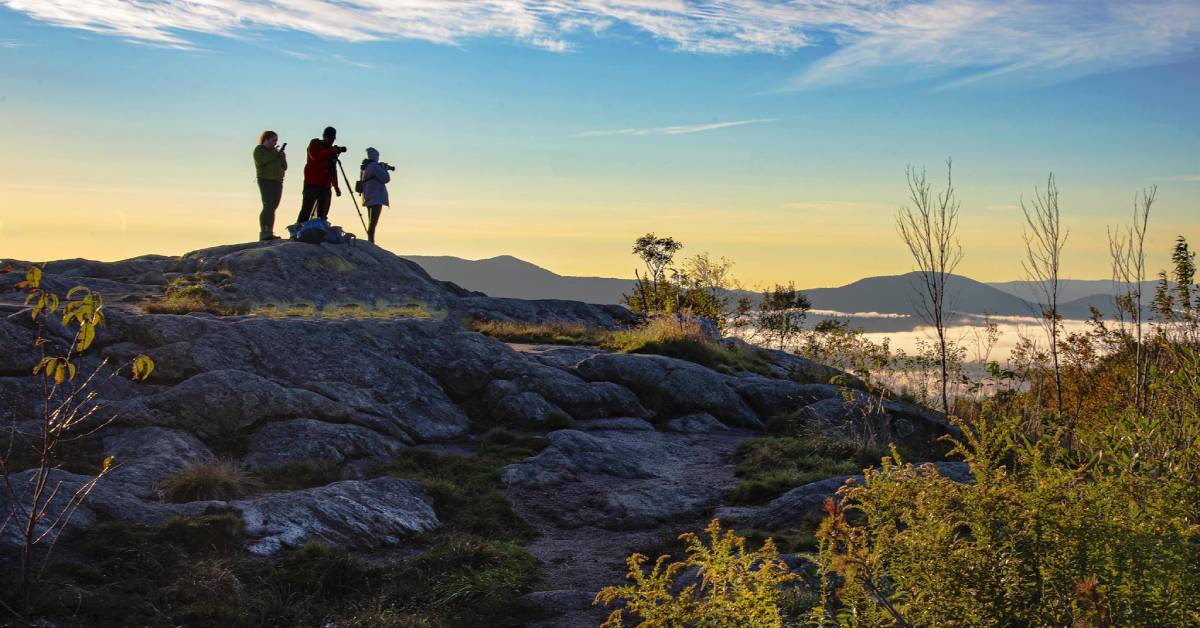
12 Things for First-Timers to Know About the Adirondacks
1) The Adirondack Park is bigger than most realize - 6 million acres.
There’s no entry gate or entrance fee. Roughly 52% of the Park is privately owned while 48% is protected.
2) Don't expect to "see the Adirondacks" in one weekend.
Driving times between destinations can take longer than expected (although they’re gorgeous, scenic drives!), and the experience varies dramatically by region.
3) Don’t assume everything is near Lake George or Lake Placid.
Many first-timers think the Park revolves around these two destinations. Here’s a quick breakout of some key regions:
- Lake George: family vacations, boating, beaches, parasailing
- Lake Placid: Olympic history, High Peaks
- Old Forge: family attractions and snowmobiling
- Saranac Lake: arts scene, paddling, outdoor recreation
- Ticonderoga: history and lakes
4) Cell service can be spotty.
It’s recommended to download maps to your phone ahead of time for driving, and to bring a physical map with you when hiking or camping.
5) The weather can change fast, especially in the mountains.
It may be 70 degrees and sunny at the trailhead, and then snowing with lingering ice at the summit.
6) Hiking can be more challenging than it seems.
Research hiking destinations thoroughly to ensure they’re appropriate for your group. Look into pet-friendly hikes, kid-friendly/beginner hikes, or accessible trails if needed. Even if a hike is short, it may be steep, rocky, or root-filled.
7) Black flies and ticks are to be taken seriously.
May and June is black fly season. Ticks hang around longer.
8) The Adirondacks is more than wilderness and hiking!
They are also museums/historic sites, walkable downtowns, breweries and restaurants, and family-friendly attractions.
9) Fall foliage is huge in the Adirondacks.
Huge. Trail parking lots fill up fast - have a backup plan if you're hiking for fall foliage. Book lodging early.
10) Have a backup plan for hiking at any time of year.
Speaking of backup plans for hiking - you should always have a couple alternative ideas on where to go. Local police ticket heavily for illegally parking along highway shoulders - it's been a real problem in recent years. If there isn’t a legal parking spot at your hiking destination, you need to hike elsewhere.
11) Wildlife sightings are common - but not with moose.
Some visitors hope or even expect to see a moose, but they’re notoriously elusive. Many outdoor recreationists have been camping, hunting, and fishing in the Adirondacks for years without spotting one. Loons are also popular - and easier to see (and hear!). You're sure to see some wildlife during your visit.
12) The Adirondack Park offers year-round fun and things to do.
While most major attractions are open May through September or October, there's plenty to do and see all year long. Winter is huge with major ski spots like Whiteface and Gore, plus snowmobiling, horse-drawn carriage rides, ice fishing - pretty much any snowsport you can think of! Fall brings majors festivals and colorful foliage. Spring is all about the maple sugaring season, waterfall hikes (although it is mud season!), and the start of whitewater rafting.
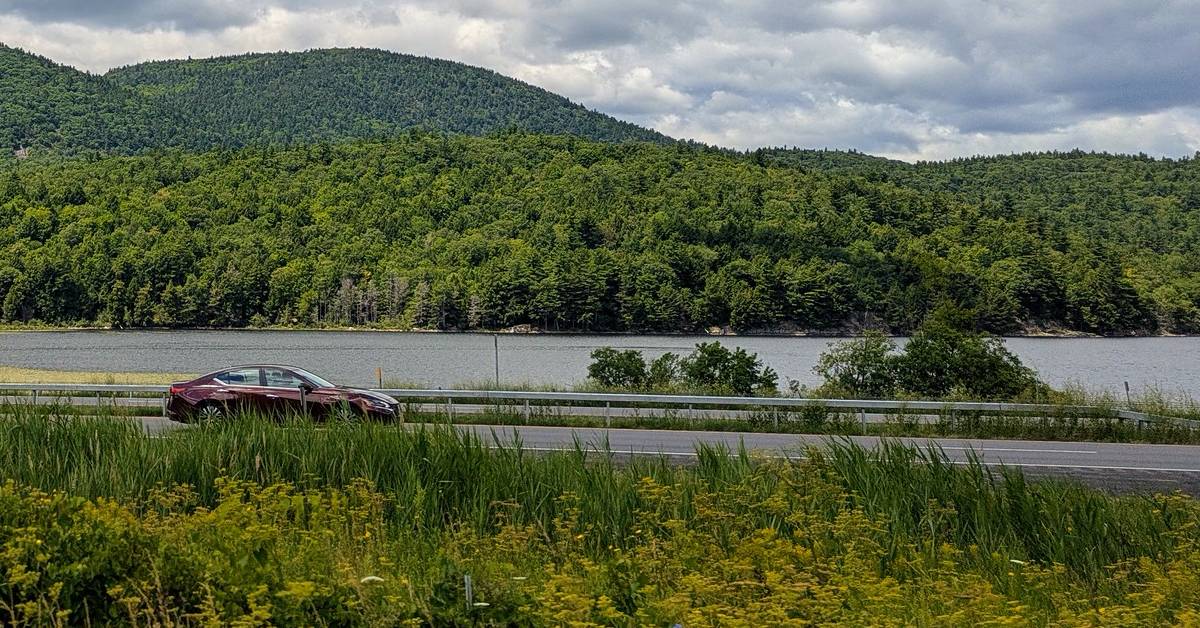
Frequently Asked Questions (FAQs) About the Adirondacks
Where is the main gate/entrance?
There isn't one! It's a 6-million acre park that's a mix of private and publicly owned land. It's free to enter.
Is the Adirondack Park a National Park?
It is not, but it is larger than Yellowstone, Everglades, Glacier, and Grand Canyon National Parks combined.
Where does the word "Adirondack" come from?
It comes from a Mohawk term meaning "barkeaters," originally used to describe neighboring Algonquin tribes.
What are the High Peaks and should I hike one for my first time?
The High Peaks are the 46 tallest mountains in the region. They're steep and rugged, and can be tough for beginners. Cascade Mountain is considered one of the easier ones, but we suggest sticking to lower elevation trails for first-timers.
Do I need a reservation to park or hike?
Most of the Park does not require this, however, the popular Adirondack Mountain Reserve (AMR) trailhead in Keene Valley does. It serves as both a parking and hiking pass, and it's free, but you need to reserve the pass ahead of time. This is required from May 1 through October 31.
Are dogs allowed on trails?
There are many dog-friendly hikes for well-behaved, leashed dogs, but not the Adirondack Mountain Reserve trails. Any trail you hike, dog or not, should be researched ahead of time, so you'll know before you go.
Can we set up a tent and camp anywhere?
You can camp anywhere there is a yellow Camp Here disc, or almost anywhere in the wilderness that is at least 150 feet away from any road, trail, stream, or body of water. Camping is strictly prohibited above 4,000 feet in elevation (unless you're at a designated site). You cannot camp at trailheads. Stays of 3 nights or more, or groups of 10 people or more require a permit from the DEC.
Are bear canisters required for camping?
Bear canisters are required for campers in the Eastern High Peaks Wilderness between April 1 and November 30. Store your food, toiletries, and scented items in these. Bear canisters are required in this area, but recommended everywhere in the Adirondacks.
What is there to do in the Adirondacks besides hiking and camping?
The Park is home to over 3,000 lakes and ponds and over 30,000 miles of rivers and streams, so there are plenty of opportunities for boating, paddling, fishing, and whitewater rafting. There are many museums and historic sites to explore, along with unique activities like railbiking or hot air balloon rides. And there are plenty of attractions, including The Wild Center, High Falls Gorge, Ausable Chasm, and Natural Stone Bridge and Caves. While many come to the Park for outdoor activities, others seek simplicity and solitude, and simply wish to sit on a deck with a good book. The ADK offers an ideal mix of adventures and relaxation "away from it all."
How many days do I need in the Adirondacks?
You can explore one region in one weekend, and multiple regions in 4 to 7 days. But you still won't see it all - you'll just have to come back!
<< Back to About the Adirondacks